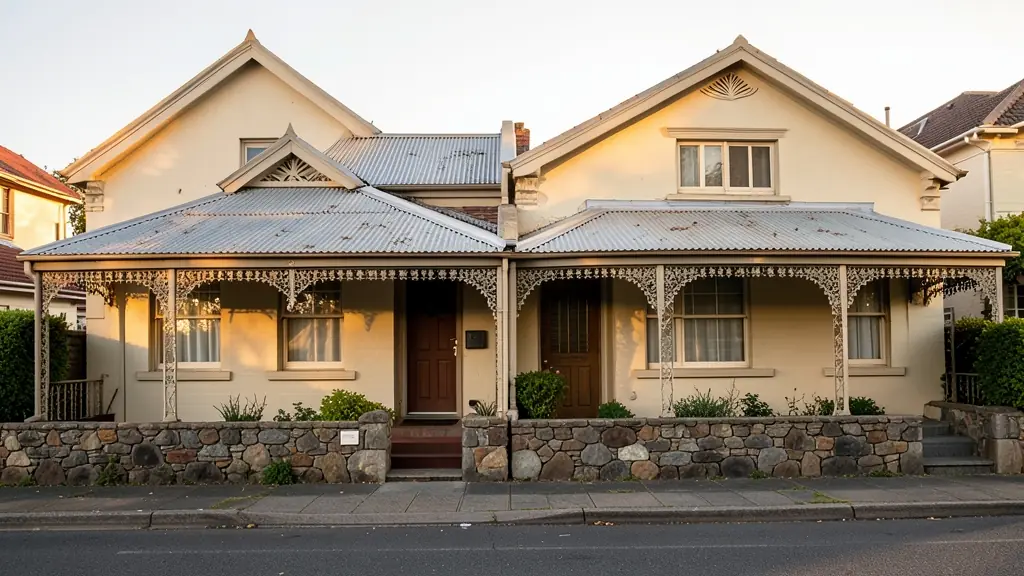
Heritage law catches more properties than most owners expect. Under the National Heritage Resources Act, 25 of 1999, a building older than 60 years may not be altered or demolished without a permit, and larger developments must notify the heritage authority, which can ask for a heritage impact assessment. This page explains when each applies, who prepares the reports and how heritage fits with building plans and land use applications. Send one request and independent heritage practitioners and planners who work in your area quote you directly.
Section 34: structures older than 60 years
Section 34 of the Act says no structure older than 60 years may be altered or demolished without a permit from the provincial heritage resources authority, such as Heritage Western Cape or the authority in Gauteng or KwaZulu-Natal, or from a municipality the authority has delegated. This covers ordinary houses, not only famous buildings. Additions, new windows, a demolished outbuilding or a new roof can all count as alterations. The application usually needs photographs, a short history, drawings of the proposal and a motivation. The municipality may hold your building plans until the permit is issued.
Section 38: larger developments
Section 38 requires anyone planning certain developments to notify the heritage authority early. Examples include a development on a site over 5,000 m², a road or linear development over 300 m, and the rezoning of a site over 10,000 m². The authority may then ask for a heritage impact assessment (HIA), which looks at buildings, archaeology, graves, landscapes and the character of the area. This often runs alongside a rezoning or township establishment.
Overlay zones and local rules
Some municipalities also have heritage protection overlay zones in their land use scheme, covering historic areas where height, scale, materials and demolition are controlled more tightly. In these areas the municipality may ask for heritage comment even for a building younger than 60 years. A planner or heritage practitioner can check whether your erf falls in one. SAHRA, the South African Heritage Resources Agency, is the national agency, but most day-to-day permits go to the provincial authority. If you are buying an older house to extend or replace it, check these controls before you sign: a heritage overlay or an old outbuilding can limit what you may change, and a planner or heritage practitioner can tell you quickly what is likely to be acceptable.
Who prepares the reports
Heritage practitioners, architectural historians and, for archaeology, archaeologists prepare the statements and assessments. On a house alteration an architect with heritage experience often prepares the drawings and permit application together. On a large site the HIA is one of several specialist studies, next to an environmental impact assessment and a traffic study, coordinated by the planner.
What to put in your request
- The address and the approximate age of the building
- What you plan to alter, add or demolish
- The site size, for larger developments
- Whether the area is in a heritage overlay zone
- Whether a rezoning or township is also planned
Heritage Permits and Impact Assessments for owners, buyers, businesses and developers
- Homeowners: a permit to extend, alter or partly demolish a house older than 60 years
- Developers: a section 38 notice and heritage impact assessment for a larger site or rezoning
- Home businesses and guest houses: converting an old house or shop in a historic area into offices or a restaurant
- Owners of farms, plots and vacant land: heritage checks on farm buildings, graves and archaeology before subdividing
- Buyers, sellers, agents and conveyancers: finding out whether an old house can be extended or replaced before buying it
- Companies, shops and industry: redeveloping older commercial buildings in a town centre with heritage controls
- Schools, churches, clinics and NPOs: alterations to an old church, school or hall that is older than 60 years
- Architects, plan drawers and builders: the heritage permit and statement a client needs before plans can be approved
- Neighbours and residents' associations: residents commenting on a demolition or a large development in a historic area
Frequently asked questions
Do you prepare heritage reports yourselves?
How do I know if my house is older than 60 years?
Can a heritage permit be refused?
Does a heritage application delay my building plans?
Heritage Permits and Impact Assessments by province and city
- Johannesburg
- Pretoria
- Centurion
- Midrand
- Sandton
- Randburg
- Roodepoort
- Krugersdorp
- Randfontein
- Germiston
- Boksburg
- Benoni
- Kempton Park
- Alberton
- Vanderbijlpark
- Vereeniging
- Durban
- Pinetown
- Pietermaritzburg
- Richards Bay
- Newcastle
- Ladysmith
- Gqeberha (Port Elizabeth)
- East London
- Kariega (Uitenhage)
- Mthatha
- Cape Town
- Bellville
- Paarl
- Stellenbosch
- George
- Worcester
- eMalahleni (Witbank)
- Middelburg
- Secunda
- Mbombela (Nelspruit)
- Rustenburg
- Brits
- Klerksdorp
- Potchefstroom
- Mahikeng
- Polokwane
- Tzaneen
- Kimberley
- Upington
- Bloemfontein
- Welkom
- Sasolburg