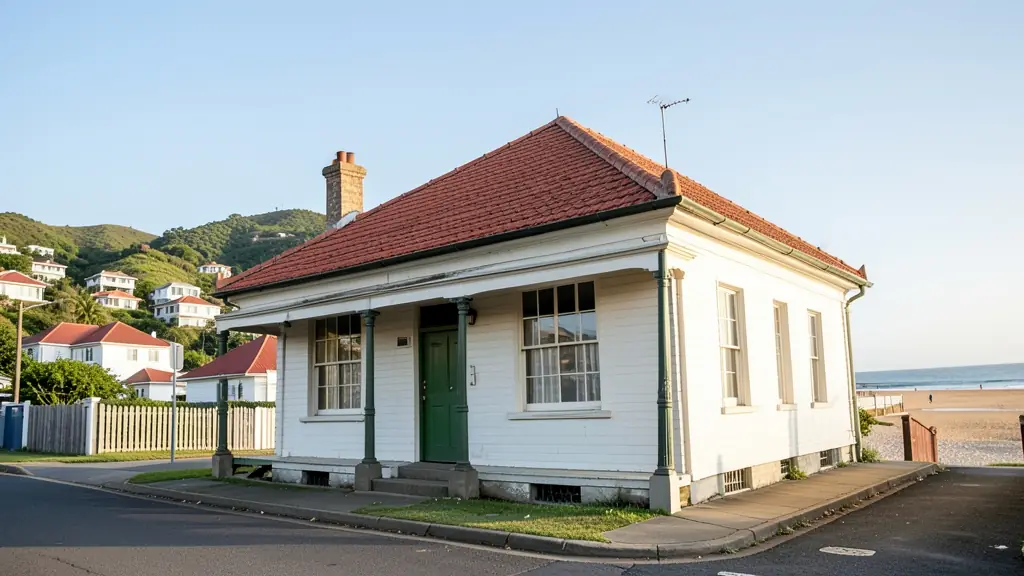
Need a heritage permit or impact assessment in Eastern Cape? TownPlanning.co.za puts owners, developers, businesses and residents in Eastern Cape in touch with heritage practitioners and architects serving towns and cities across Eastern Cape. Send one request and you receive quotes directly, free and with no obligation.
Heritage Permits and Impact Assessments in Eastern Cape
Altering an older building or developing a larger site in Eastern Cape? Tell heritage practitioners and planners who work in Eastern Cape and around Eastern Cape the age of the building, what you plan to change or build and the site size, so they can check sections 34 and 38 and quote.
Want to know more first? Our heritage permits and impact assessments guide covers the process, what to ask for and what affects the cost.
What to know locally in Eastern Cape
Graaff-Reinet has one of the country's largest concentrations of old buildings, and Makhanda, Cradock and Gqeberha's Central also hold many, so <a href="/heritage-applications/">heritage permits</a> are common. Coastal developments near estuaries and dunes from Jeffreys Bay to Kenton-on-Sea often need environmental authorisation. Residents in seaside towns object strongly to large projects, so early feasibility and engagement help.
Why planning matters in Eastern Cape
Two metros anchor planning work in the Eastern Cape. Nelson Mandela Bay covers Gqeberha, Kariega and Despatch, with the Coega industrial zone and port pulling in logistics and manufacturing, and Buffalo City covers East London, where residential growth pushes toward Gonubie and Beacon Bay. Outside them, the province changes sharply. The former Transkei and Ciskei areas hold large stretches of communal land, while the Karoo towns of Graaff-Reinet and Cradock have old buildings and heritage controls. Makhanda is a university town with constant demand for student accommodation. Jeffreys Bay, Port Alfred and Kenton-on-Sea are coastal towns where holiday homes, guest houses and dune setbacks shape most applications.
Who asks for a heritage permit or impact assessment around Eastern Cape, most often first:
- Homeowners: a permit to extend, alter or partly demolish a house older than 60 years
- Home businesses and guest houses: converting an old house or shop in a historic area into offices or a restaurant
- Developers: a section 38 notice and heritage impact assessment for a larger site or rezoning
Local tips for Eastern Cape
Professionals serving Eastern Cape mostly work from here: gqeberha, East London and Mthatha, with planners in Makhanda and Jeffreys Bay. The jobs that come up most: coastal plots, student housing in Makhanda and Karoo heritage alterations. When you ask for quotes, ask the planner to check heritage status before you alter any older building.
Jobs vary: one old house to a large development site. Here, homeowners lead the requests, typically for a permit to extend, alter or partly demolish a house older than 60 years. One local point to raise: metro firms travel inland and along the coast; small towns rely on visiting planners.
Service area: Eastern Cape and surrounds
We pass Eastern Cape requests to professionals based in or regularly working in Gqeberha, East London, Mthatha, Makhanda, Jeffreys Bay, Port Alfred, Graaff-Reinet. Rural requests should give the farm name or the nearest town, so travel is quoted honestly.