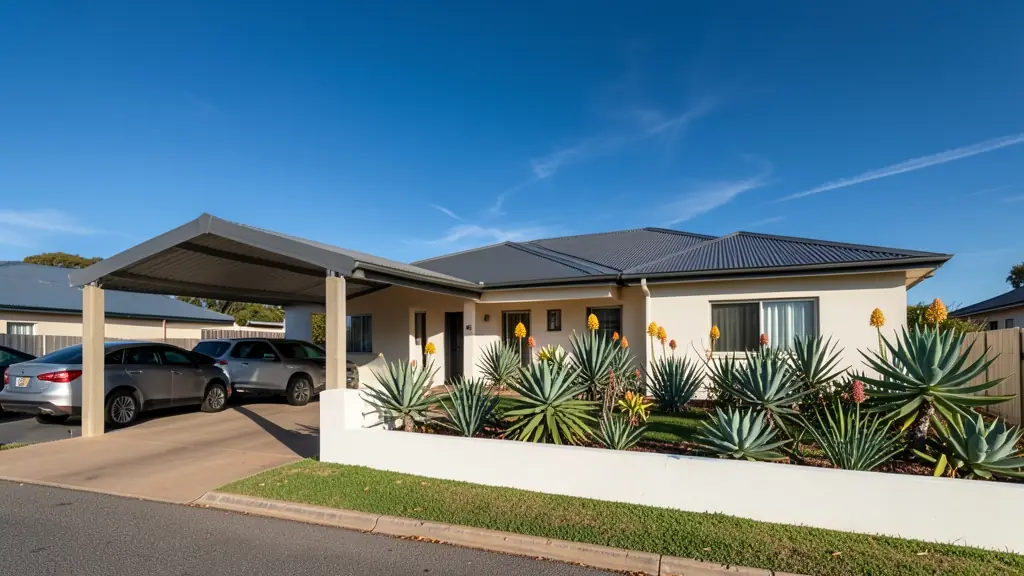
A consent use application asks the municipality for permission to use your property for a purpose the land use scheme lists as allowed in your zone, but only with the council's consent. Common examples are a guest house, a creche, a place of worship, a home business, a telecommunication mast or, in some schemes, a second dwelling. The zoning stays the same; you get an added right, usually with conditions. This page explains how consent use differs from rezoning, how the process runs and why neighbours matter so much.
Consent use or rezoning?
Each zone in a scheme has uses that are allowed as of right, uses allowed only with consent, and uses that are not allowed at all. If what you want is in the consent list for your zone, a consent use is usually the route. If it is not listed, you need a rezoning. Consent use is often simpler because the zone itself does not change, but it is still a formal application that can be refused. Check the scheme that applies to your erf, or ask a planner. A consent use also does not replace building plans: any new rooms, parking roofs or alterations still need approved building plans.
Common consent uses
- Guest houses, B&Bs and creches or early childhood development centres in residential zones: see home business rights.
- Places of worship, halls and community uses.
- Second dwellings in schemes that do not allow them as of right: see second dwellings.
- Telecommunication masts, taverns and some business uses.
The process
A town planner prepares the application with the title deed, SG diagram, zoning certificate, site plan, a motivation and the application fee. Most consent uses are advertised: neighbours get notices, a site notice goes up and sometimes a newspaper notice is placed. Neighbours can comment or object during the comment period. Unopposed applications are often decided by an official; opposed ones usually go to the tribunal. Title deed conditions such as "residential use only" may need removing too.
Conditions and neighbours
Approvals usually come with conditions: the number of rooms or children, parking on site, operating hours, signage limits and sometimes a time limit or a review. Parking, traffic and noise drive most objections, so talk to your neighbours before you apply and design the site to keep cars off the street. Other permits often apply as well, such as health, fire or business licences, and registration for creches.
A clear site plan helps your case: where guests or parents park, how cars turn on the property, where refuse is kept and how noise is kept down. Officials and neighbours respond better to an application that shows it has thought about these things before anyone has to complain.
What to put in your request
- The erf number and current zoning
- The use you want to add
- How many rooms, children or seats
- How much parking fits on the property
- Whether neighbours know about the plan
Consent Use Applications for owners, buyers, businesses and developers
- Homeowners: consent for a second dwelling or a small home business in a residential zone
- Developers: consent for an added use on a site where the zone lists it
- Home businesses and guest houses: a guest house, creche, salon or consulting rooms run from a house
- Owners of farms, plots and vacant land: consent for a farm stall, tourism use or mast on agricultural land
- Buyers, sellers, agents and conveyancers: checking that a guest house or creche being bought has its consent in place
- Companies, shops and industry: consent for a mast, drive-through or other listed use on a business site
- Schools, churches, clinics and NPOs: a church, hall or place of instruction in a residential area
- Architects, plan drawers and builders: consent needed before plans for a guest house or hall can be approved
- Neighbours and residents' associations: commenting on a creche, tavern or mast proposed in the street
Frequently asked questions
Do you submit consent use applications?
No. We are a free quote request service. We pass your request to independent registered town planners in your area who handle consent uses, and they quote you directly. You choose who to appoint, and we draw no plans or submit anything ourselves.
How long does a consent use take?
Often several months, depending on the municipality and whether anyone objects. Opposed applications that go to a tribunal hearing take longer. Ask the planner what is typical where you are. A complete application with a clear site plan avoids delays while officials ask for missing information.
Can I start the business while the application is running?
Operating before approval is a contravention, and the municipality can act on complaints. It can also count against your application. Ask your planner before you open. Some uses also need a health or fire inspection before you can trade, which usually comes after the land use approval.
Does the consent use stay if I sell?
A consent use attaches to the property, but some approvals are personal to the applicant, time limited or tied to conditions the new owner must keep. Check the approval letter, and ask a planner if you are buying a property with a consent use.
Consent Use Applications by province and city
- Johannesburg
- Pretoria
- Centurion
- Midrand
- Sandton
- Randburg
- Roodepoort
- Krugersdorp
- Randfontein
- Germiston
- Boksburg
- Benoni
- Kempton Park
- Alberton
- Vanderbijlpark
- Vereeniging
- Durban
- Pinetown
- Pietermaritzburg
- Richards Bay
- Newcastle
- Ladysmith
- Gqeberha (Port Elizabeth)
- East London
- Kariega (Uitenhage)
- Mthatha
- Cape Town
- Bellville
- Paarl
- Stellenbosch
- George
- Worcester
- eMalahleni (Witbank)
- Middelburg
- Secunda
- Mbombela (Nelspruit)
- Rustenburg
- Brits
- Klerksdorp
- Potchefstroom
- Mahikeng
- Polokwane
- Tzaneen
- Kimberley
- Upington
- Bloemfontein
- Welkom
- Sasolburg