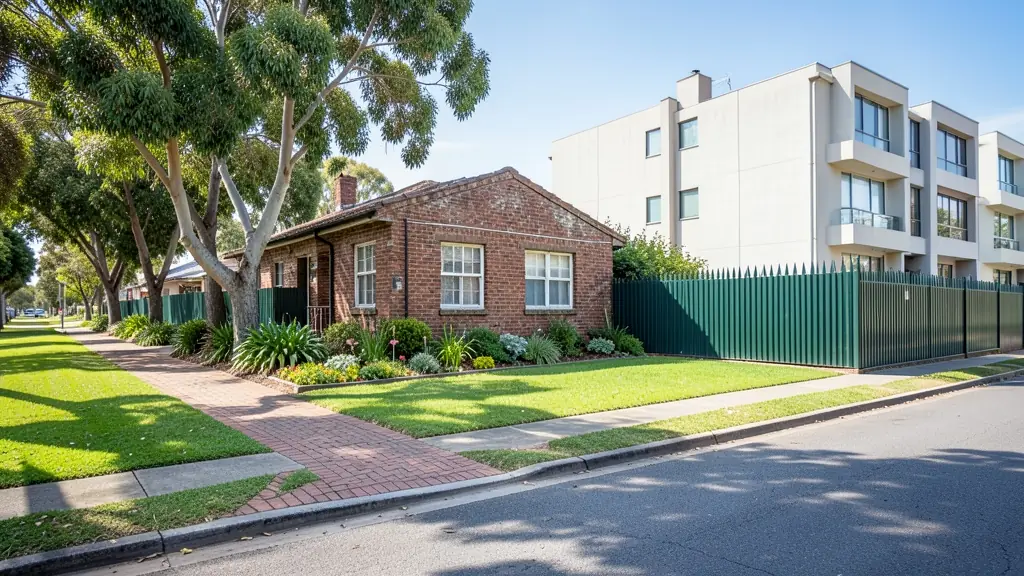
Rezoning means changing the zone of an erf in the municipality's land use scheme, so that it may be used for something else or built more densely. A house on a busy road rezoned for offices, two old erven rezoned for townhouses, or agricultural land rezoned for housing are typical cases. A rezoning is a formal land use application: it is motivated, advertised, open to objection and decided by the municipality, often with conditions. This page explains the process, what it needs, what it costs in time and the risks to weigh first.
Typical rezonings
- Residential to higher density, for example from a single dwelling zone to a zone for townhouses or flats.
- Residential to business or office, often on main roads and corridors that the spatial development framework marks for change.
- Agricultural to residential or industrial, usually as part of township establishment rather than a plain rezoning.
If the use you want is listed in your current zone as a consent use, a consent use application may be simpler. A planner tells you which route fits.
The process and documents
A registered town planner usually prepares the application. Expect to need the title deed and its conditions, the SG diagram, a zoning certificate, locality and site plans, a motivating memorandum, the bondholder's consent if the property is bonded, a power of attorney for the planner and the municipal application fee. Bigger rezonings may need traffic, services, heritage or environmental reports. The application is then advertised with notices to neighbours, a newspaper or gazette notice and a site notice. After the comment period, an official or the tribunal decides.
Objections, conditions and contributions
Neighbours and residents' associations often object to rezonings, usually about traffic, parking, privacy, services or the character of the area. Your planner responds in writing, and opposed applications usually go to a tribunal hearing. An approval normally comes with conditions, which may include a site development plan before building plans, and development contributions for bulk services where rights are added. These contributions can be a large cost, so ask for an estimate early.
How long, and the risks
A rezoning often takes several months to a year, and longer if it is opposed or appealed. It can be refused, or approved with conditions that make the project less viable. Before you buy land to rezone, check the SDF, the title deed, services capacity and the likely contributions, ideally through a feasibility study. Title deed conditions that conflict with the new zoning need a removal of restrictions as well.
Talk to your neighbours early. A rezoning that they understand, with sensible parking and building heights, is less likely to draw objections than one they first hear about from a notice on the fence.
What to put in your request
- The erf number, size and current zoning
- The zoning or use you want
- How many units or how much floor area
- Any title deed conditions you know of
- Whether other erven will be included
Rezoning Applications for owners, buyers, businesses and developers
- Homeowners: rezoning a large erf so that it can take more than one dwelling or be split later
- Developers: higher density rights on old erven for townhouses, flats or mixed use
- Home businesses and guest houses: rezoning a house on a busy road for offices, a practice or a shop
- Owners of farms, plots and vacant land: changing agricultural land to residential or business, usually with a township
- Buyers, sellers, agents and conveyancers: buying a property with a rezoning in mind and checking the chances first
- Companies, shops and industry: rights for retail, offices, a filling station or industrial use
- Schools, churches, clinics and NPOs: rezoning for a school, clinic, place of worship or community facility
- Architects, plan drawers and builders: getting the bulk, height and coverage a design needs approved first
- Neighbours and residents' associations: reading a rezoning notice and deciding whether to comment or object
Frequently asked questions
Do you submit rezoning applications?
No. We are a free quote request service. We pass your request to independent registered town planners who handle rezonings in your municipality, and they quote you directly. You appoint the planner you prefer.
How much does rezoning cost in South Africa?
It depends on the municipality and the size of the application. The cost includes the planner's fee, the municipal application fee from the tariff list, advertising, any specialist reports and, after approval, development contributions. Ask planners for a quote broken down into these parts.
Can I rezone my house to run a business?
Sometimes. Many schemes allow a small home occupation, and some uses can be added through a consent use. A full rezoning to business is more likely where the SDF supports change, such as on main roads. See home business rights.
Does a rezoning stay if I sell the property?
Rezoning attaches to the land, not the owner, so it usually stays. Some approvals lapse if the rights are not taken up within a set period, and the conditions still apply to the new owner. Your planner can confirm this for your approval.
Rezoning Applications by province and city
- Johannesburg
- Pretoria
- Centurion
- Midrand
- Sandton
- Randburg
- Roodepoort
- Krugersdorp
- Randfontein
- Germiston
- Boksburg
- Benoni
- Kempton Park
- Alberton
- Vanderbijlpark
- Vereeniging
- Durban
- Pinetown
- Pietermaritzburg
- Richards Bay
- Newcastle
- Ladysmith
- Gqeberha (Port Elizabeth)
- East London
- Kariega (Uitenhage)
- Mthatha
- Cape Town
- Bellville
- Paarl
- Stellenbosch
- George
- Worcester
- eMalahleni (Witbank)
- Middelburg
- Secunda
- Mbombela (Nelspruit)
- Rustenburg
- Brits
- Klerksdorp
- Potchefstroom
- Mahikeng
- Polokwane
- Tzaneen
- Kimberley
- Upington
- Bloemfontein
- Welkom
- Sasolburg