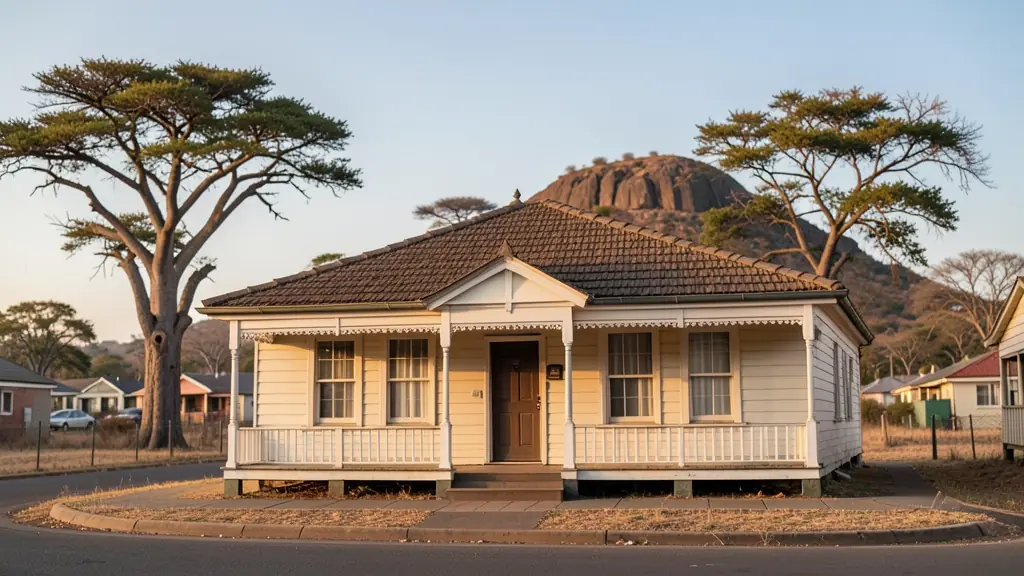
Whether it is one granny flat or a whole development, our free service makes it easy to price a heritage permit or impact assessment in Limpopo. Your request goes to a practitioner serving towns and cities across Limpopo.
Heritage Permits and Impact Assessments in Limpopo
Altering an older building or developing a larger site in Limpopo? Tell heritage practitioners and planners who work in Limpopo and around Limpopo the age of the building, what you plan to change or build and the site size, so they can check sections 34 and 38 and quote.
The main heritage permits and impact assessments page explains the process, the rules and the costs in more detail.
Limpopo notes on specialist studies & advice
Lodges near the Kruger and Blyde River, and estates in the Waterberg, often need <a href="/environmental-impact-assessments/">environmental authorisation</a> and water use questions answered. Mapungubwe and many rock art sites make heritage checks part of larger projects. In Polokwane, traffic studies are common for shopping and filling station rezonings, and a feasibility study helps investors judge demand in a fast-changing market.
Limpopo: how the area is changing
Much of Limpopo is rural, and a large share of its people live on communal land under traditional councils, where land allocation works differently from a freehold erf in town. Formal planning applications cluster in the towns. Polokwane is the clear centre: the Polokwane Municipality handles new townships to the east and south, business rezonings along the main roads and a growing number of townhouse developments. Lephalale grew fast around its power stations, Tzaneen serves a farming valley of avocados and bananas, and Hoedspruit and the Waterberg attract game farms, lodges and wildlife estates. Thohoyandou and Phalaborwa have their own local municipalities with smaller planning teams, so local knowledge counts.
Typical requests for a heritage permit or impact assessment in the area come from:
- Owners of farms, plots and vacant land: heritage checks on farm buildings, graves and archaeology before subdividing
- Developers: a section 38 notice and heritage impact assessment for a larger site or rezoning
- Home businesses and guest houses: converting an old house or shop in a historic area into offices or a restaurant
Local tips for Limpopo
Asked for most in Limpopo: polokwane townships, lodge and game farm rezonings, business rights in towns. Where the planners are: polokwane, with smaller practices in Tzaneen and Mokopane. A useful tip: ask the planner whether your land falls under a land use scheme or a traditional council.
Jobs vary: one old house to a large development site. Here, owners of farms, plots and vacant land lead the requests, typically for heritage checks on farm buildings, graves and archaeology before subdividing. One local point to raise: polokwane planners travel the province; some Gauteng firms take larger projects.
Service area: Limpopo and surrounds
We pass Limpopo requests to professionals based in or regularly working in Polokwane, Tzaneen, Mokopane, Lephalale, Hoedspruit, Thohoyandou, Phalaborwa. Rural requests should give the farm name or the nearest town, so travel is quoted honestly.