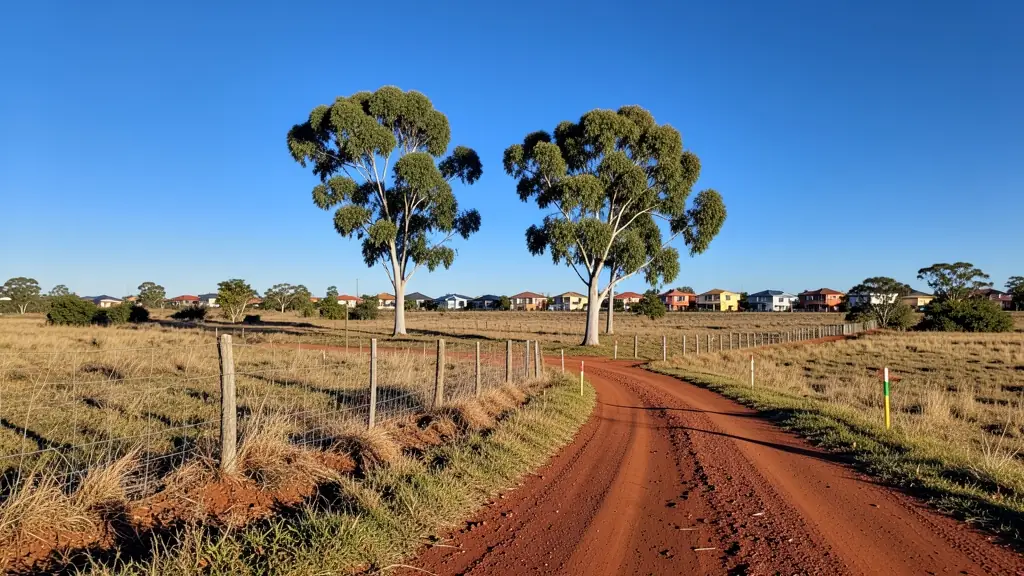
Township establishment turns a farm portion or smallholding into a formal township: new erven with their own zonings, streets, public open spaces and municipal services, registered so that each erf can be sold. It is the biggest land development application most owners will ever make, and it takes many professionals and usually several years. This page outlines the stages, from feasibility through the application and conditions of establishment to the general plan, proclamation and the first transfers, so you know what you are taking on.
Feasibility first
Before anything is lodged, a planner checks whether the spatial development framework supports development there, what the title deed and servitudes say, whether bulk water, sewer, roads and electricity can be supplied, and what the land can yield. A feasibility study also looks at heritage, environmental and geotechnical constraints and the likely development contributions, which can be large. Many projects stop or change shape at this stage, and that is money well spent.
The feasibility also sets the first budget and programme: which studies are needed, in what order, who pays for what and when the money is needed. Owners of smallholdings often work with a developer at this point, and the planner can explain the options.
Studies and the application
A township application usually needs a layout plan, engineering services reports, a traffic impact assessment, a geotechnical report, and often environmental authorisation and heritage input, each by its own registered specialist. The town planner coordinates the team, prepares the motivation and lodges the application with the municipality. It is advertised, and comments come from neighbours, residents' associations and government departments. Larger or opposed applications go to the Municipal Planning Tribunal.
Environmental authorisation and heritage processes run on their own timelines with their own authorities, usually at provincial level. A good consultant plans them in parallel with the planning application, so that one approval is not left waiting for another.
Conditions, services and the general plan
An approval comes with conditions of establishment: services to be installed or paid for, land for roads and parks, contributions and other requirements. The developer usually signs services agreements with the municipality and installs internal services. A land surveyor pegs the erven and prepares the general plan, which the Surveyor-General office approves.
Services are usually built in phases, and the municipality inspects and takes over roads, water and sewer once they meet its standards. Guarantees may be needed for services that are not yet complete.
Proclamation and transfer
Once the conditions are met, the municipality declares the township an approved township, often called proclamation, and the Deeds Office opens the township register. Each new erf can then be transferred, with the municipality's certificate that conditions are met. The whole process often takes years, and nobody can promise approval or timing. Plan the finances in stages, because large costs come before any erf can be sold.
What to put in your request
- The farm or holding number and its size
- The current zoning and land use
- What kind of township you have in mind
- Whether bulk services are nearby
- Any rivers, wetlands or old buildings
Township Establishment for owners, buyers, businesses and developers
- Homeowners: rarely needed, though a large plot may be part of a township next door
- Developers: creating residential, mixed use or industrial erven from farm land
- Home businesses and guest houses: a township for a business park, retail centre or logistics site
- Owners of farms, plots and vacant land: turning a smallholding or farm portion into registered, sellable erven
- Buyers, sellers, agents and conveyancers: buying land with a township in mind and checking how far it has gone
- Companies, shops and industry: industrial or commercial townships for warehouses and offices
- Schools, churches, clinics and NPOs: land for schools, clinics and churches set aside in a new township
- Architects, plan drawers and builders: designing housing types and layouts within an approved township
- Neighbours and residents' associations: commenting on a new township planned near an existing suburb
Frequently asked questions
Do you establish townships yourselves?
No. We are a free quote request service. We pass your request to independent registered town planners and consultancies who handle township establishment, and they quote you directly. They bring in surveyors, engineers and other specialists as needed.
How long does township establishment take?
Often years rather than months, depending on the municipality, the studies needed, objections, services and how quickly conditions are met. Ask planners for a staged programme with honest ranges.
Can I sell erven before the township is proclaimed?
Erven cannot be transferred until the township register is opened. Selling off plan before that has legal requirements and risks, so speak to a conveyancer or attorney before you sign anything with buyers.
What does it cost?
The professional fees of the whole team, the municipal application fees, specialist studies, survey and general plan costs, installing services and development contributions. Contributions and services are often the largest items, so get early estimates. Ask the planner to set out which costs fall at which stage, so you can plan funding.
Township Establishment by province and city
- Johannesburg
- Pretoria
- Centurion
- Midrand
- Sandton
- Randburg
- Roodepoort
- Krugersdorp
- Randfontein
- Germiston
- Boksburg
- Benoni
- Kempton Park
- Alberton
- Vanderbijlpark
- Vereeniging
- Durban
- Pinetown
- Pietermaritzburg
- Richards Bay
- Newcastle
- Ladysmith
- Gqeberha (Port Elizabeth)
- East London
- Kariega (Uitenhage)
- Mthatha
- Cape Town
- Bellville
- Paarl
- Stellenbosch
- George
- Worcester
- eMalahleni (Witbank)
- Middelburg
- Secunda
- Mbombela (Nelspruit)
- Rustenburg
- Brits
- Klerksdorp
- Potchefstroom
- Mahikeng
- Polokwane
- Tzaneen
- Kimberley
- Upington
- Bloemfontein
- Welkom
- Sasolburg