A land use application stands or falls on the scheme, the title deed and the area's policies, so the details matter. Put the erf number, the zoning and your plans in one request for a township establishment in Western Cape and we pass it to town planning consultancies working in towns and cities across Western Cape.
Township Establishment in Western Cape
Township establishment around Western Cape depends on the municipality's spatial development framework, services capacity and the provincial environmental and heritage authorities in Western Cape. Planners and consultancies working in Western Cape can test the feasibility of your land, assemble the specialist team and take the township through approval to proclamation.
Want to know more first? Our township establishment guide covers the process, what to ask for and what affects the cost.
Land use applications in Western Cape: local notes
Cape Town's scheme allows <a href="/second-dwellings/">additional dwelling units</a> more readily than before, but title deed conditions on older erven in Pinelands or Constantia can still block them until removed. In Stellenbosch and Paarl, wine farms apply for tourism, function venue and accommodation rights. Urban edges limit township establishment in the winelands, while George and Mossel Bay still see new estates on their outskirts.
Western Cape: how the area is changing
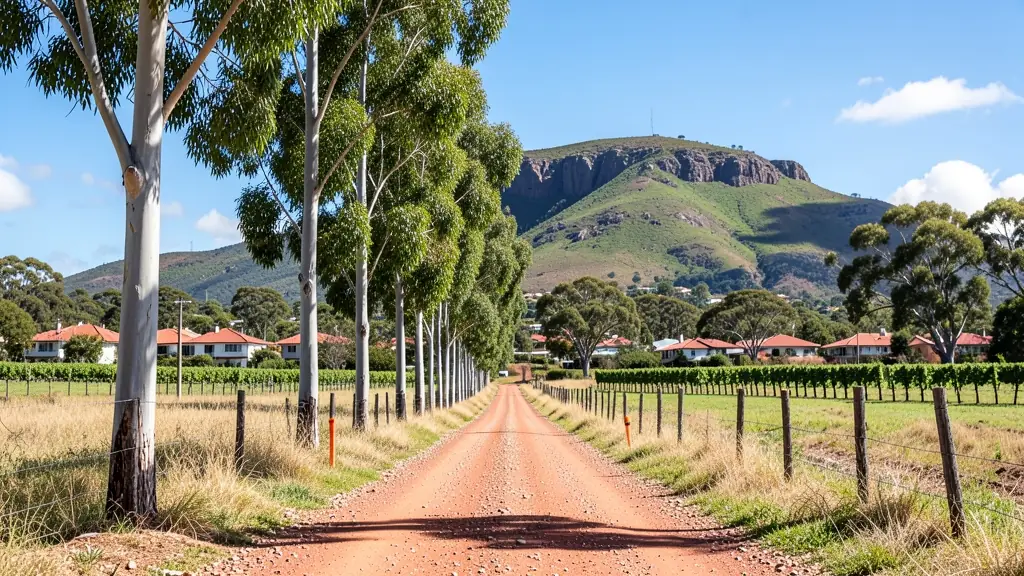
The Western Cape is the only province with its own land use planning law, the Land Use Planning Act of 2014, which works alongside SPLUMA and each municipality's by-law. The City of Cape Town applies its Development Management Scheme through its Municipal Planning By-law, and makes additional dwelling units easier on many single residential erven, which has led to a wave of granny flats and backyard units. Densification along Voortrekker Road and the main transport routes adds apartments. Beyond the city, Stellenbosch and Drakenstein deal with student housing, wine farm tourism and tight urban edges, George and Knysna with coastal and forest constraints, and Overstrand with holiday homes around Hermanus.
The requests we see from Western Cape usually come from:
- Homeowners: rarely needed, though a large plot may be part of a township next door
- Owners of farms, plots and vacant land: turning a smallholding or farm portion into registered, sellable erven
- Developers: creating residential, mixed use or industrial erven from farm land
Local tips for Western Cape
Asked for most in Western Cape: additional dwelling units, heritage alterations and winelands land use rights. Where the planners are: cape Town CBD, Bellville, Stellenbosch, Paarl and George. A useful tip: ask the planner to check heritage overlays and title conditions before you design.
Township Establishment: suits owners of farms, plots and large land. How it works: studies, application, conditions, survey. For homeowners, the biggest group here, that usually means rarely needed, though a large plot may be part of a township next door. Who decides: city of Cape Town and its tribunal; Stellenbosch, Drakenstein, George and others.
Service area: Western Cape and surrounds
Across Western Cape our network reaches Cape Town, Stellenbosch, Paarl, George, Knysna, Hermanus, Worcester and the towns between them. Outside the bigger centres, ask where the consultant is based and how well they know the local municipality.