Understanding Town Planning and Its Importance
Defining Town Planning – What is town planning and why it matters
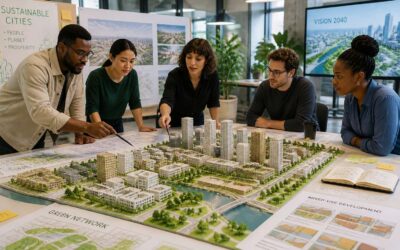
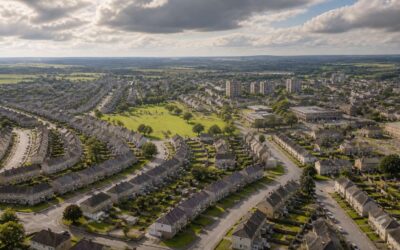
Understanding town planning is essential to grasping the intricate dance between development and community wellbeing. At its core, town planning involves the strategic design and regulation of land use to create harmonious, sustainable urban environments. It’s more than just zoning; it’s about envisioning a future where infrastructure, green spaces, and residential areas coexist seamlessly. The importance of effective town planning cannot be overstated—poorly managed development can lead to congestion, environmental degradation, and social discontent.
When contemplating the town planner cost, it’s vital to recognize that this investment reflects a blend of expertise, foresight, and regulatory navigation. A skilled town planner ensures that projects align with local government policies and environmental considerations, ultimately saving time and resources in the long run. The actual expense varies depending on project complexity, scope, and location, but understanding the value behind the town planner cost helps justify this critical expenditure—an investment in the future of South Africa’s thriving urban landscapes.
Roles and Responsibilities of a Town Planner – Key tasks involved in urban and regional planning
Understanding town planning is akin to decoding the blueprint of our future cities—an intricate tapestry woven with visions of sustainability, aesthetics, and functionality. It’s not just about drawing lines on a map; it’s about orchestrating the symphony of land use, transportation, green spaces, and housing to create urban environments that don’t just survive but thrive. For those curious about the town planner cost, remember—this isn’t an expense, it’s an investment in the city’s DNA.
Town planners wear many hats—visionary, regulatory ninja, and sometimes, the voice of reason amidst chaos. Their core responsibilities include assessing land potential, ensuring compliance with local policies, and balancing development needs with environmental preservation. Think of them as urban architects with a PhD in diplomacy. Key tasks involved in urban and regional planning often encompass:
- Conducting feasibility studies
- Drafting zoning regulations
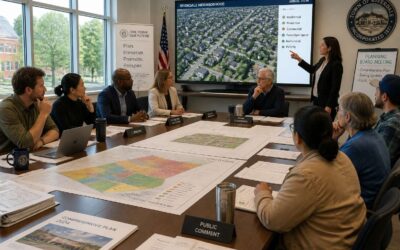
- Engaging with community stakeholders
- Securing permits and navigating bureaucratic labyrinths
All these roles highlight why the town planner cost varies depending on project complexity and scope—sometimes it’s a modest fee, other times it’s an investment into a sprawling development that could redefine a neighborhood. Either way, understanding this cost helps justify the value of expert guidance in creating sustainable and harmonious urban futures in South Africa.
Benefits of Professional Town Planning – How expert planning supports community growth and infrastructure
When cities evolve, the invisible hand of expert town planning guides their destiny. In South Africa, where urban sprawl and environmental challenges collide, understanding the true value of professional town planning becomes crucial. Effective planning isn’t just about zoning; it’s about creating resilient communities that can withstand the test of time. The town planner cost, often seen as an expense, actually reflects an investment in sustainable infrastructure, vibrant neighborhoods, and economic vitality.
Strategic town planning supports community growth by aligning development with environmental preservation and social needs. It ensures that infrastructure—roads, parks, and public services—are thoughtfully integrated, fostering harmony between progress and preservation. For those wondering about the town planner cost, remember—this fee encompasses detailed feasibility studies, regulatory compliance, and stakeholder engagement, all vital for a thriving urban landscape.
In the complex tapestry of urban development, expert planners act as guardians of the city’s future. Their role in shaping liveable, functional, and sustainable spaces is invaluable. Whether managing large-scale projects or refining local neighborhoods, the town planner cost varies based on scope but always delivers long-term benefits that justify every rand spent. After all, investing in expert planning today secures a brighter, more resilient tomorrow for South Africa’s cities.
Factors Influencing Town Planner Costs
Project Scope and Complexity – Impact of project size and intricacy on costs
In the shadowy corridors of urban development, the size and intricacy of a project cast long, dark silhouettes on the town planner cost. Larger, more complex projects demand a meticulous dance of negotiation, design, and legal navigation—each step adding to the cumulative toll. The more labyrinthine the scope, the higher the cost, as specialists delve deeper into environmental impact assessments, zoning intricacies, and infrastructural puzzles. It’s a delicate balancing act, where every detail must be scrutinized, every nuance understood, to avoid the haunting specter of costly oversights.
For those venturing into the realm of sprawling developments or multi-layered zoning revisions, the project scope becomes a heavy burden, impacting the town planner cost significantly. The intricacies involved—such as heritage preservation, environmental constraints, and community consultation—serve as invisible but essential threads woven into the fabric of planning. As complexity rises, so does the need for seasoned expertise, making the cost of town planning a reflection of the project’s shadowy depth and reach.
Location and Region – How geographic area affects pricing structures
In the shadowed corridors of urban expansion, where every square meter whispers potential and peril, the geographic location of a project can dramatically influence town planner cost. South Africa’s diverse landscapes — from sprawling urban centers to remote rural areas — each carry their own planning intricacies and logistical hurdles. These regional nuances can inflate or deflate the overall budget, depending on factors like accessibility, infrastructure, and local regulations.
For instance, projects in densely populated cities such as Johannesburg or Cape Town often require a higher town planner cost due to stricter zoning laws, heritage considerations, and environmental assessments. Conversely, more remote areas may see a different set of challenges, such as limited resources or longer approval timelines, which can also impact costs. It’s essential to recognize that the geographic area isn’t just a backdrop but a living, breathing element influencing the complexity and expense of town planning.
In South Africa, regional disparities mean that the town planner cost can vary significantly—sometimes by thousands of rand. Urban zones demand seasoned expertise to navigate the labyrinth of legal, environmental, and community considerations, all of which are amplified by location. As the terrain shifts and regulations tighten, the cost of professional town planning rises accordingly, turning each project into a unique puzzle—one that demands not just skill, but a deep understanding of regional intricacies.
Type of Planning Service – Differences between residential, commercial, or industrial planning
The type of planning service required can dramatically influence the town planner cost. Residential projects often demand a different skill set compared to commercial or industrial developments, each carrying its own set of complexities. For instance, residential planning usually involves navigating community standards, zoning laws, and aesthetic considerations—factors that can inflate the town planner cost depending on the scope.
Commercial and industrial projects, however, tend to be more intricate, often requiring detailed environmental assessments, land use modifications, and compliance with stricter regulations. These projects typically necessitate a higher level of expertise, which, in turn, pushes the town planner cost upward.
Understanding these nuances is crucial—because whether it’s a small housing estate or a sprawling industrial complex, the scope of planning directly correlates with the overall budget. The more complex or expansive the project, the more sophisticated the planning process, and consequently, the higher the town planner cost.
Experience and Qualification of the Town Planner – Cost variations based on expertise and credentials
The realm of town planning is a tapestry woven with threads of expertise, experience, and credentials—each influencing the intricate dance of town planner cost. In the vast landscape of urban development, the mastery of a seasoned town planner can transform visions into reality, but it often comes with a premium. Experience isn’t merely a badge; it’s a compass that guides complex projects through turbulent regulatory waters and unpredictable terrain.
Highly qualified town planners, armed with advanced degrees and specialized certifications, command higher town planner costs. Their deep well of knowledge ensures meticulous navigation through zoning laws, environmental assessments, and community standards—factors that can significantly inflate the budget if not handled with precision. For projects of great complexity, such as industrial developments or large-scale commercial hubs, engaging an expert with a proven track record can mean the difference between seamless approval and costly delays.
Often, clients find themselves faced with an array of options, but understanding how expertise influences town planner cost is invaluable.
- Experience in large-scale projects
- Specialist credentials in environmental planning
- Recognition within local regulatory bodies
These elements elevate the level of service, ensuring every facet of the project adheres to legal and community standards—yet they also drive up the overall expense. Ultimately, investing in seasoned expertise can unlock efficiencies and avoid costly missteps, making it a vital consideration in the calculation of town planner cost.
Project Timeline and Urgency – How expedited deadlines influence fees
In the labyrinthine corridors of urban development, the ticking clock can become as formidable an adversary as regulatory hurdles. When project timelines accelerate, town planner cost invariably escalates—an intangible reflection of urgency’s relentless grip. Expedited deadlines demand a nimbleness that only seasoned professionals can deliver, often at a premium. The more compressed the schedule, the more resources must be mobilized, and the more intricate the planning becomes.
In South Africa’s dynamic landscape, where regulatory frameworks and community standards can shift unexpectedly, rushing a town planning process is rarely seamless. Clients seeking swift approvals might find themselves paying a higher town planner cost, as planners work overtime, coordinate rapidly with authorities, and navigate complex compliance issues on tight deadlines. For projects where time is non-negotiable, understanding how project urgency influences costs is crucial—because haste can often be as costly as the project itself.
Depending on the scope and the sense of urgency, some firms may employ
- priority scheduling
- additional staffing
to meet pressing deadlines, further inflating the town planner cost. The delicate balance between speed and quality underscores the importance of early engagement and transparent budget discussions, especially when time constraints threaten to overshadow meticulous planning. Ultimately, in the realm of town planning, the cost of haste is never trivial—yet, sometimes, it becomes an unavoidable element of the larger investment in future urban vitality.
Typical Cost Structures for Town Planning Services
Hourly Rates – Standard hourly fees for town planners
When it comes to town planner cost, hourly rates are often the first thing that pops into mind — but beware of sticker shock! On average, professional town planning services in South Africa hover between R1,200 and R2,500 per hour, depending on the complexity of the project. These rates reflect the expertise, experience, and sometimes, the sheer audacity of your chosen town planner. It’s not just about the time spent; it’s about the value they bring to your development dreams.
For straightforward residential projects, expect to pay on the lower end of the spectrum, while more intricate commercial or industrial planning can push the town planner cost higher. Factors like location and region can also influence fees — urban hubs tend to command steeper rates than more rural settings. Keep in mind, many town planners offer a mix of fixed fees and hourly rates, so it’s wise to shop around and clarify what’s included to avoid surprises down the line.
Fixed Project Fees – Flat rates for specific planning projects
In the labyrinthine world of urban development, understanding the typical cost structures for town planning services can be as vital as knowing the blueprint of your dream project. Fixed project fees, often regarded as the most transparent approach, offer a straightforward avenue for budgeting—eliminating the uncertainty that hourly rates can sometimes impose. These flat rates are meticulously tailored to the scope of the specific planning endeavor, whether it’s a modest residential renovation or a sprawling commercial complex.
For example, a basic residential subdivision might attract a fixed fee in the region of R25,000 to R50,000, encompassing all necessary consultations, zoning adjustments, and submission processes. Conversely, more intricate projects—such as large-scale industrial developments—may command higher, bespoke flat rates that reflect their complexity. Some firms even provide tiered pricing structures, where the project scope determines the exact fee, allowing for flexibility and clarity in the town planner cost.
In essence, fixed project fees serve as an anchor amidst fluctuating variables, offering both transparency and peace of mind. They enable clients to grasp the total investment upfront, sidestepping the surprises that can sometimes creep into hourly billing. Whether for a simple dwelling or a multifaceted development, understanding these fixed cost structures is crucial for aligning expectations and ensuring the seamless progression of your planning ambitions.
Consultation and Advisory Fees – Costs for expert advice without full project management
When it comes to consulting a town planner for expert advice, understanding the typical cost structures can save clients from unexpected expenses. Unlike full project management, consultation and advisory fees usually cover specific insights—ranging from zoning regulations to planning guidelines—without the added obligation of overseeing the entire process. These fees tend to be more flexible, often charged as hourly rates or fixed consultation packages, making them ideal for preliminary assessments or specific queries.
In South Africa, the town planner cost for consultation services can vary depending on the complexity of the project and the level of expertise required. For straightforward advice, hourly rates might range between R1,000 and R2,500. More detailed consultations, especially those involving complex land use or environmental considerations, could see fees escalate accordingly. Some firms offer bundled advisory packages, which provide a set number of hours at a discounted rate, adding predictability to your planning budget.
Understanding these cost structures is crucial because they often form the foundation for more extensive planning efforts. Whether you’re navigating zoning restrictions or assessing development potential, clear communication about town planner costs ensures transparency and smooth collaboration. In the end, investing in professional advice can pay off by preventing costly mistakes and fostering smoother project approvals.
Additional Expenses – Disbursements, reports, and administrative costs
When considering the town planner cost in South Africa, it’s essential to recognize that additional expenses can significantly influence your overall budget. Beyond the core fees, disbursements for reports, permits, and administrative tasks often add to the total expenditure. These supplementary costs, although sometimes overlooked, are vital to ensure compliance and thorough documentation throughout the planning process.
Typically, disbursements include fees for environmental assessments, site surveys, and statutory submissions. For example, a comprehensive planning report might incur extra charges for specialist input or detailed environmental impact studies. These expenses are usually itemized separately, giving clients clearer insight into where their investment goes. To streamline budgeting, some firms offer bundled services that incorporate these disbursements into a fixed fee, ensuring transparency from the start.
Understanding the full scope of town planner cost—covering both professional fees and additional expenses—is crucial for a seamless planning journey. It not only fosters clarity but also helps avoid unexpected surprises that could delay or derail your project. After all, meticulous planning and budgeting are the bedrock of successful development in South Africa’s dynamic landscape.
Average Town Planner Cost Estimates
Residential Developments – Typical costs for planning small to large residential projects
When developing a residential project, understanding the town planner cost is crucial for budgeting effectively. On average, small-scale residential developments in South Africa can expect to pay between R20,000 and R50,000 for town planning services. Larger, more complex projects, such as multi-unit housing or gated communities, may see costs rise to R150,000 or more. These figures reflect the scope of work involved and the level of expertise required.
The cost varies depending on factors like project size, location, and the specific planning service needed. For instance, a straightforward subdivision might be at the lower end of the spectrum, while intricate urban design or zoning amendments will push costs higher. It’s essential to consider additional expenses such as reports, administrative fees, or disbursements, which can add to the overall town planner cost. Transparency about these factors helps ensure no surprises down the line.
Commercial Developments – Cost considerations for commercial property planning
Commercial developments in South Africa demand a nuanced understanding of the town planner cost, which can vary dramatically based on project scope and complexity. Unlike residential projects, where costs tend to be more predictable, commercial property planning often involves intricate zoning, environmental assessments, and compliance with multi-layered regulations. These factors elevate the town planner cost significantly, especially when navigating urban planning frameworks that are ever-evolving.
For larger commercial projects—such as shopping centres, office parks, or industrial complexes—the town planner cost can escalate beyond R200,000, reflecting the extensive consultations, detailed reports, and extensive stakeholder engagement required. It’s essential to consider that fees are not solely based on project size; they also depend on specific service needs, such as rezoning or environmental impact assessments.
- Complex urban design
- Zoning amendments
- Environmental compliance
Often, these elements necessitate a bespoke approach, pushing the town planner cost to higher tiers. Recognizing these variables enables developers to budget with precision, ensuring that the planning process remains seamless and transparent amidst the dynamic South African property landscape.
Industrial Projects – Pricing for industrial site planning
Industrial projects in South Africa weave a tapestry of complexity that directly influences the town planner cost. Unlike residential developments, these ventures often demand meticulous attention to environmental impact assessments, zoning intricacies, and infrastructure integration. The complexity of such projects can cause the town planner cost to fluctuate significantly, often exceeding R150,000 for large-scale industrial sites.
Factors such as project size, site location, and specific service needs—like environmental compliance or rezoning—play a pivotal role in shaping the final fee. For example, a sprawling industrial complex necessitates extensive stakeholder engagement, detailed planning reports, and adherence to evolving urban planning frameworks. It’s not uncommon for the town planner cost to follow an ordered list of stages, including initial consultation, feasibility studies, and final approval processes.
Ultimately, understanding these variables allows developers to anticipate the financial landscape of industrial planning and ensures a seamless journey through South Africa’s dynamic urban environment. The town planner cost, therefore, becomes an essential investment in transforming industrial visions into reality, with each project adding its unique hue to the cityscape.
Urban Planning and Large Scale Projects – Costs for comprehensive urban development plans
In the shadowed corridors of urban evolution, the cost of a town planner becomes a crucial whisper in the chamber of development budgets. For large-scale projects, especially within South Africa’s sprawling metropolises, the average town planner cost can oscillate dramatically, often surpassing R150,000. These figures are not mere numbers but echoes of the labyrinthine process involved in comprehensive urban planning.
The intricate dance of factors such as project scope, geographic location, and the specific planning service needed—be it zoning, environmental compliance, or infrastructure integration—dictates the final fee. Large projects demand meticulous stakeholder engagement and detailed reports, pushing the town planner cost into higher echelons.
Navigating this financial maze, developers often encounter a layered structure of costs, including initial consultations, feasibility studies, and the final approval stages. An understanding of these variables ensures that the cost of town planning is not an insurmountable barrier but a vital investment—an essential step in transforming visions into tangible realities amid South Africa’s ever-evolving urban landscape.
How to Budget for Town Planning Services
Request Multiple Quotes – Comparing prices from different planners and firms
Budgeting for town planning services demands careful comparison of prices from various planners and firms. With town planner cost varying widely depending on experience and project scope, obtaining multiple quotes is essential. Don’t settle for the first offer—each quote can reveal different pricing structures and service levels.
Requesting multiple quotes allows you to benchmark costs and ensures transparency in pricing. When comparing, consider not only the total fee but also what’s included—disbursements, reports, and administrative expenses can significantly impact the final cost.
In South Africa, town planner cost can be influenced by project complexity, location, and urgency. An effective way to get a clear picture is to request detailed quotes from at least three firms. This approach helps you identify competitive pricing without sacrificing quality.
- Review each quote carefully for hidden fees
- Assess the experience and qualifications of each town planner
- Compare service scope and turnaround times
Ultimately, comparing prices from different planners ensures you get the best value for your investment while meeting your project’s unique needs.
Understanding Included Services – Clarifying what is covered in quotes
Understanding what’s included in your town planner cost can be the difference between a smooth project and unexpected surprises. When reviewing quotes, it’s essential to clarify whether the fee covers all aspects of the planning process or if additional expenses might arise. Many firms include disbursements, reports, and administrative expenses in their initial quote, but some may charge separately for these services. This transparency allows you to budget more accurately and avoid hidden fees that can inflate your overall town planning costs.
To get a comprehensive picture, ask for detailed breakdowns from each town planner. This way, you can compare what’s offered—such as site analysis, environmental assessments, and community consultation—and determine if the scope aligns with your project’s needs. Remember, a higher town planner cost might reflect more extensive expertise or faster turnaround times, but always ensure the services match your expectations and budget.
When factoring in town planner cost, consider the project’s complexity and specific requirements. Whether you’re developing a residential estate or a commercial hub, knowing exactly what’s covered helps you make informed decisions and secure the best value for your investment in South Africa’s dynamic property landscape.
Estimating Unexpected Costs – Building contingency budgets for unforeseen expenses
When embarking on a visionary project, the true measure of success often lies in the details—details that can stealthily inflate your town planner cost if not carefully accounted for. Building a contingency budget is akin to planting a seed for unforeseen expenses; it allows your financial landscape to flourish despite unexpected storms. In the realm of town planning, surprises such as additional reports, permit amendments, or environmental assessments can emerge like mythical creatures from the shadows, demanding extra resources.
To safeguard your investment, consider allocating roughly 10-15% of your initial town planner cost as a buffer. This cushion provides peace of mind, enabling you to navigate sudden requirements without compromising your project’s momentum. Remember, the key is to stay vigilant—regularly reviewing your project’s scope with your town planner and requesting detailed breakdowns can reveal potential pitfalls before they become costly surprises.
Adopting this layered approach to budgeting not only preserves your financial stability but also transforms your planning journey into a smooth odyssey—one where your vision remains unshaken, and your investment continues to bloom amidst the unpredictable landscape of South Africa’s property market.
Planning for Long-term Projects – Budget considerations for phased or ongoing planning work
When embarking on a long-term development project, the intricacies of budgeting for town planning services demand a nuanced approach. Unlike one-off expenses, phased planning or ongoing projects necessitate foresight into fluctuating costs that can evolve as the project unfolds. The town planner cost isn’t a static figure; it can ebb and flow based on project complexity, scope, and shifting regulatory landscapes.
To navigate this labyrinth, consider establishing a flexible budget that accommodates future planning phases. Incorporating a contingency buffer—typically around 10-15%—can insulate your financial planning from unforeseen amendments or scope creep. Additionally, engaging in detailed discussions with your town planner about the anticipated phases of work allows for more accurate cost projections and prevents unexpected financial surprises.
For instance, a multi-phase urban development might include initial feasibility studies, detailed environmental assessments, and subsequent rezoning applications. Each stage carries its own unique town planner cost, which should be integrated into a comprehensive budget to ensure seamless progression. By meticulously planning and regularly reviewing your financial allocations, you bolster the resilience of your project against the unpredictable tides of South Africa’s property market.
Tips for Saving on Town Planner Costs
Clear Project Brief and Goals – Reducing misunderstandings and revisions
In the intricate dance of urban development, clarity becomes your most valuable ally. A clear project brief and defined goals can significantly diminish misunderstandings and costly revisions, ultimately easing the town planner cost. When expectations are articulated precisely from the outset, it streamlines communication and aligns the entire planning process towards a common vision.
Investing time in detailed initial consultations often yields substantial savings. By specifying your desired outcomes early, you reduce the risk of unexpected expenses that might arise from scope creep or overlooked requirements. This foresight ensures your budget remains steady, and the town planner cost stays within manageable bounds.
For those embarking on complex projects, consider outlining key milestones and priorities—a simple step that can help avoid surprises and ensure that every rand spent propels the project closer to fruition. Remember, a well-articulated project scope is the cornerstone of controlling town planner costs and achieving your development aspirations with elegance and precision.
Engaging Experienced but Cost-Effective Professionals – Balancing expertise with affordability
In the realm of urban development, where every brick and beam shapes the future, the quest to balance quality with affordability is paramount. Engaging experienced but cost-effective professionals can be the difference between a visionary project and a financial quagmire. The elusive art lies in finding town planner cost that doesn’t drain your resources, yet ensures the mastery of seasoned expertise.
To navigate this delicate balance, consider prioritising professionals whose reputation is built on a blend of skill and strategic pricing. An adept town planner with a wealth of local knowledge can often deliver exceptional results without inflating the town planner cost. Furthermore, requesting multiple quotes allows you to compare not only prices but also the scope of services offered—clarity that shields you from unforeseen expenses.
Remember, transparency is key! When engaging a town planner, ensure you understand what services are included in their quote. Sometimes, a slightly higher fee might encompass comprehensive urban planning and detailed reports, whereas a lower quote might only cover basic consultations. This strategic approach ensures your investment remains wise, and your project’s financial health stays robust amidst the ever-changing tides of development costs.
Leveraging Government Grants and Incentives – Financial assistance for planning and development
Navigating the financial landscape of town planner cost can feel like walking a tightrope—balancing quality and budget is crucial, especially when resources are limited. Fortunately, leveraging government grants and incentives offers a strategic way to reduce overall expenses. In South Africa, various programs aim to support urban development, making it possible to offset some planning costs with funding assistance.
Many projects qualify for grants that specifically cover planning and development activities. For example, local government initiatives often provide financial aid for residential or commercial developments, helping to diminish the burden of town planner cost. To tap into these resources, it’s essential to stay informed about available programs and eligibility criteria. Conducting thorough research or consulting with experienced professionals can uncover options that might otherwise go unnoticed.
Additionally, requesting multiple quotes from different town planners allows you to compare scope and pricing. Some firms include comprehensive services—such as detailed reports and urban planning—within their fees, while others may charge separately for each component. Understanding what’s included helps prevent unexpected expenses, ensuring your investment remains sound. By combining strategic sourcing with available grants, you can significantly ease the financial strain of planning, making development projects more feasible and sustainable.
Combining Services – Bundling planning, zoning, and consulting services for discounts
Maximizing value is essential when managing town planner cost, especially in a landscape where budgets often stretch thin. One effective strategy is combining services—bundling planning, zoning, and consulting services—can unlock significant discounts. This approach not only streamlines communication but often results in a more cohesive vision, ultimately reducing overall expenses.
By consolidating multiple planning components through a single firm, you may benefit from package deals or fixed project fees. This method helps prevent unexpected costs that can arise from hiring separate specialists at different rates. Additionally, engaging an experienced town planner who offers comprehensive services ensures you get expert guidance without the inflated price tag of piecemeal work.
- Seek firms with bundled services for residential, commercial, or industrial projects.
- Request detailed quotes that specify what’s included to avoid hidden charges.
- Compare different providers to identify those offering the best value for your town planner cost.
In the quest to manage town planner cost effectively, combining services acts as a savvy lever—enhancing project quality while respecting financial limits. This strategy not only simplifies the planning process but also ensures your development journey remains both achievable and sustainable.
Frequently Asked Questions About Town Planner Cost
What Is the Average Cost of a Town Planner? – General cost ranges for various project types
The cost of hiring a town planner can vary considerably depending on the scope and complexity of your project. On average, in South Africa, town planner cost ranges from R20,000 to R150,000 for small to large-scale developments. Residential projects, especially smaller ones, tend to be more affordable, while large urban planning initiatives see a significant jump in expenses. The key is understanding what influences these costs, including project size, location, and the type of planning service required.
For straightforward residential developments, fixed project fees often hover around R20,000 to R50,000. Meanwhile, commercial and industrial projects, which demand more detailed assessments and compliance checks, can push town planner cost upward of R80,000 or more. When considering urban planning or large-scale projects, expect to pay a premium for the extensive expertise and time involved—these often require comprehensive reports, multiple consultations, and long-term planning strategies.
It’s wise to request multiple quotes from different town planners to compare prices and services offered. Some firms include additional expenses such as disbursements, reports, and administrative costs within their quotes, but always clarify what’s covered. Remember, a higher town planner cost might come with more experience or a quicker turnaround, but balancing affordability with quality remains essential for any successful project.
Why Do Costs Vary So Much Between Projects? – Factors affecting pricing differences
In the labyrinth of urban development, the question of town planner cost often mirrors the complexity of the projects themselves. Why does a seemingly straightforward residential planning effort cost R20,000 while a sprawling urban development can soar past R150,000? The answer lies in the intricate web of factors that influence pricing. Each project is a unique confluence of scope, location, and the specific planning services required, making the town planner cost far from a fixed figure.
At its core, the variability in town planner cost reflects the nature of the work involved. Smaller residential projects tend to demand less time and fewer resources, often resulting in a fixed fee around R20,000 to R50,000. Conversely, large-scale urban planning initiatives, with their extensive reports, multiple consultations, and long-term strategies, naturally command a higher fee. Factors such as project urgency, the experience of the town planner, and geographic region further complicate this landscape.
Understanding these dynamics reveals that the town planner cost is not just a number but a reflection of the effort, expertise, and resources needed—each element adding layers of depth to the final price. When contemplating a project, it’s essential to consider these variables, as they shape not only the budget but the very foundation of successful planning. The true challenge lies in balancing affordability with the quality and breadth of service—an art that only seasoned professionals can master.
Are There Any Hidden Costs? – Identifying potential additional expenses
When considering the town planner cost for your project, many clients are surprised to discover that hidden expenses can significantly influence the final bill. While initial quotes often focus on core planning services, it’s essential to be aware of potential additional costs that may arise along the way. These expenses can include disbursements, detailed reports, or extra consultations necessary to meet specific project demands.
In some cases, unforeseen complexities or regulatory hurdles might necessitate supplementary work, which can increase the overall town planner cost. To avoid surprises, it’s wise to request a detailed breakdown of what is included in the initial quote and to inquire about possible extra charges. Transparency at this stage ensures that budgets remain realistic and that the planning process remains smooth and efficient.
Engaging with experienced professionals can also help identify potential expenses early. Remember, the goal is to balance affordability with comprehensive service—sometimes, investing in a slightly higher initial cost can save money in the long run by preventing costly revisions or delays. Ultimately, understanding the full scope of the town planner cost helps ensure a successful development journey from start to finish.
How Can I Ensure Good Value for Money? – Tips for selecting cost-effective planning services
Understanding the town planner cost is essential for anyone embarking on a development journey, especially in a landscape as dynamic and diverse as South Africa’s. While initial quotes often seem straightforward, the true financial picture can be more intricate, influenced by unforeseen expenses that quietly accumulate. It’s wise to remember that transparency from your chosen professional can make all the difference—requesting detailed breakdowns of services included and potential additional expenses ensures a clearer view of your overall budget.
To ensure good value for money, consider engaging experienced but cost-effective professionals. Their expertise can help identify potential costs early, preventing budget blowouts later. When comparing town planner costs, look beyond the initial quote. An understanding of what’s included—such as disbursements, detailed reports, or extra consultations—can reveal the real scope of your investment. Sometimes, a slightly higher upfront town planner cost can translate into savings by avoiding delays or costly revisions as your project progresses.

0 Comments