Top Recommended Books for Urban and Town Planning Enthusiasts
Essential Classics in Town Planning
Few fields shape the fabric of our cities more profoundly than town planning. For enthusiasts eager to deepen their understanding, several classic town planning books remain essential references. These works not only offer historical insight but also challenge current paradigms, urging us to reimagine urban spaces with purpose and integrity.
Among the most influential are texts that have stood the test of time, shaping the way planners approach density, community, and sustainability. They serve as a reminder that thoughtful town planning books can inspire innovative solutions to some of our most pressing urban challenges. Whether you’re a student, professional, or simply passionate about urban development, these classics provide a foundation for meaningful engagement with city design.
- The Death and Life of Great American Cities by Jane Jacobs – A groundbreaking critique of urban renewal policies and a call for vibrant, mixed-use neighborhoods.
- Town Planning in Practice by Sir Raymond Unwin – A comprehensive guide that emphasizes the importance of human scale and community-centric design.
- The Image of the City by Kevin Lynch – An exploration of how people perceive urban environments and how spatial legibility influences city life.
Contemporary Works and Modern Perspectives
In the ever-evolving tapestry of urban landscapes, contemporary works in town planning books continue to challenge and inspire our visions of the future. These modern perspectives serve as a mirror reflecting the shifting paradigms of sustainability, resilience, and human-centric design. For those passionate about shaping vibrant, equitable cities, diving into these texts can feel like uncovering hidden pathways to innovation.
From the intricate dance of social dynamics to the delicate balance of ecological harmony, recent town planning books illuminate the complexities of urban existence. They often feature case studies from South Africa and beyond, offering practical insights grounded in real-world challenges. Engaging with these works opens doors to fresh ideas, whether it’s reimagining mixed-use developments or forging inclusive public spaces.
- Urban Design and People by Jon Lang – A compelling exploration of how design influences social interaction and community vitality.
- Resilient Cities by Peter Newman – A modern manifesto on creating urban environments that withstand climate change and economic shifts.
- Smart Growth Strategies in Town Planning Books – An insightful dive into sustainable development principles that prioritize accessibility and environmental stewardship.
These contemporary town planning books are more than mere pages—they are a call to action, urging us to rethink what it means to craft cities that breathe with life and purpose. As urban enthusiasts, we find ourselves at the cusp of a new era, where innovative ideas flourish at the intersection of tradition and transformation.
Categories of Town Planning Books
Urban Design and Architecture
When it comes to town planning books, the categories of urban design and architecture stand out as the vibrant heartbeat of the discipline. These books are not just dry texts; they are treasure troves of visual inspiration and practical insight, guiding us through the labyrinth of creating livable, beautiful spaces. Urban design books often explore the art of shaping public spaces, emphasizing human interaction and sustainability—think of them as the blueprint for fostering community spirit in a rapidly urbanizing South Africa.
Meanwhile, architecture-focused town planning books delve into the structural soul of our cities. They cover everything from iconic building styles to innovative construction techniques that blend tradition with modernity. Whether you’re interested in the sleek lines of contemporary architecture or the enduring charm of colonial influences, these books help planners and architects craft environments that are both functional and aesthetically compelling. For a comprehensive understanding, consider exploring titles that highlight the intersection of urban design and architecture, as they often provide a holistic view of town planning in action.
- Design principles for sustainable urban environments
- Case studies of iconic South African developments
- Innovative architectural solutions for dense cityscapes
Land Use and Zoning
When it comes to town planning books, few topics stir as much debate—and fascination—as land use and zoning. These are the rules of the game in any urban environment, dictating what can be built where and shaping the very fabric of our cities. In South Africa, where urban growth often feels like a wild jungle, understanding zoning laws is crucial for navigating the complex maze of development regulations.
Town planning books dedicated to land use and zoning often dissect the delicate balance between commercial, residential, and industrial spaces. They explore how zoning can either stifle or stimulate economic growth, all while maintaining the city’s soul. For those eager to grasp the finer points, some titles delve into innovative zoning strategies that promote sustainable urban growth—important in a country where urban sprawl threatens to swallow our scenic landscapes.
To truly grasp the intricacies, consider these key concepts:
- Mixed-use developments and their regulatory frameworks
- Overlay zones and special planning districts
- Flexibility in zoning laws to adapt to future needs
In South Africa’s context, where land use patterns are often intertwined with historical and socio-economic factors, town planning books on zoning offer vital insights. They aren’t just dry legal tomes—they’re the secret sauce behind creating vibrant, functional, and resilient urban spaces that reflect the nation’s diverse tapestry.
Sustainable and Green Planning
Within the realm of town planning books, categories dedicated to sustainable and green planning are rapidly gaining prominence. These titles are not just about compliance; they are a blueprint for resilience in an unpredictable world. As urban landscapes in South Africa become increasingly strained under the weight of rapid growth, understanding how to integrate eco-friendly principles into city design becomes essential.
Many of these town planning books explore innovative strategies to reduce environmental impact, emphasizing renewable energy, water conservation, and urban greening initiatives. They often feature case studies of successful projects that have transformed neglected spaces into vibrant, sustainable communities. For those eager to delve deeper, some works propose frameworks for implementing green infrastructure that aligns with South Africa’s unique ecological and socio-economic landscape.
Furthermore, these books highlight how sustainability can be woven into zoning laws and land use policies, creating a harmonious balance between development and conservation. Whether focusing on low-impact urban design or green building standards, town planning books dedicated to sustainable development illuminate pathways for shaping resilient cities that honor both their people and their environment.
Transport Planning and Infrastructure
Transport planning and infrastructure form the pulsating arteries of any thriving cityscape, especially within the vibrant and complex urban fabric of South Africa. Within the expansive realm of town planning books, this category reveals the intricate dance between mobility, accessibility, and sustainable growth. These texts often serve as arcane compendiums, guiding urban designers through the labyrinth of developing efficient transit networks that seamlessly integrate with community needs.
Many town planning books delve into innovative strategies for enhancing transportation systems—balancing the demands of burgeoning populations while minimizing environmental footprints. From the implementation of integrated public transit to the design of walkable neighborhoods, these works illuminate pathways for creating cities that move with purpose and grace. Sometimes, they feature comprehensive case studies that showcase how cities have transformed their transport corridors into vibrant, accessible corridors of life.
For those captivated by the nexus of infrastructure and urban vitality, some books outline frameworks for resilient transport systems tailored to South Africa’s unique socio-economic landscape. Whether focusing on rail, road, or emerging green transit options, town planning books dedicated to transport planning are invaluable resources—illuminating the road ahead for architects, policymakers, and the communities they serve.
Community Engagement and Social Planning
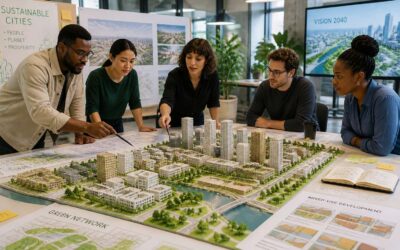
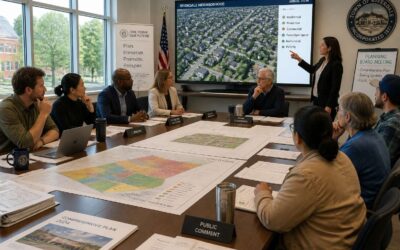
Beyond the blueprints and zoning maps, lies a realm where voices echo and communities breathe life into their shared spaces. Community engagement and social planning, often nestled within town planning books, serve as the heartbeat of truly livable cities. These texts delve into the art of cultivating participatory dialogues—transforming passive recipients into active co-creators of their urban destiny.
In the vibrant tapestry of South African urban life, understanding the social fabric is paramount. Town planning books dedicated to this category explore innovative frameworks for inclusive decision-making, ensuring that diverse voices shape the city’s future. They illuminate pathways for fostering trust, nurturing local identities, and weaving social cohesion into the very fabric of urban development.
Sometimes, these works feature structured methodologies, such as:
- Community workshops that ignite collective imagination
- Participatory mapping techniques revealing local priorities
- Strategies for integrating marginalized voices into planning processes
With each page turned, these town planning books reveal how social planning transforms mere infrastructure into vibrant ecosystems of human connection, vital for the resilient cities of tomorrow—especially within South Africa’s complex socio-economic landscape. The dialogue between planners and communities becomes a symphony, orchestrating urban growth with empathy and foresight.
How to Choose the Right Town Planning Book
Assessing Your Level of Knowledge
When embarking on the journey through the labyrinth of town planning books, discerning your level of knowledge becomes an essential compass. Like a seasoned sailor gauging the stars before setting sail, understanding whether you are a novice or an expert guides your selection. The right town planning books should illuminate your path, not obscure it with complexity or oversimplification.
Assessing your familiarity with core concepts—be it zoning intricacies or sustainable practices—helps avoid the trap of choosing texts that are either too dense or too superficial. For those just beginning, introductory town planning books can serve as a gentle tide, guiding you through foundational principles. Conversely, seasoned practitioners might seek advanced treatises that challenge and expand their horizons.
Consider your preferred learning style and the specific issues that ignite your passion. Are you drawn to the poetic dance of urban aesthetics or the pragmatic rhythm of infrastructure development? Matching your expertise with the depth and scope of town planning books ensures your intellectual voyage remains both enriching and inspiring!
Focus Areas and Specializations
Choosing the right town planning books isn’t merely about flipping through pages; it’s about aligning your focus areas with your career aspirations and the unique challenges faced in South African urban landscapes. With so many options available, honing in on specific specializations ensures your reading journey remains purposeful and insightful. Whether your interest lies in the intricacies of land use policies or the vibrant pulse of community development, clarity on your focus areas sharpens your expertise.
To navigate this selection process, consider the pressing issues that ignite your passion and the gaps in your current knowledge. Are you drawn to the ecological aspects of green planning or the complex social dynamics within urban regeneration? For those seeking to deepen their understanding, exploring town planning books that cover specialized topics can unlock new perspectives and innovative solutions.
- Identify your core interests within town planning.
- Match these interests with books that offer detailed insights into these focus areas.
- Prioritize texts that reflect the local context of South Africa’s urban environment, from informal settlements to sustainable development challenges.
By carefully selecting town planning books that align with your specialization, you set the stage for a transformative learning experience—one that equips you to shape resilient, inclusive, and sustainable communities.
Author Credibility and Publication Date
Choosing the right town planning books demands more than a cursory glance; it requires a discerning eye for author credibility and publication date, as if sifting through a tapestry woven with threads of expertise and timeliness. In a landscape where ideas evolve as swiftly as urban skylines, selecting texts authored by recognized voices in South African town planning ensures your foundation is rooted in trust and authoritative insight. An outdated publication, no matter how well-intentioned, risks anchoring your knowledge to the past, when today’s challenges demand current perspectives.
Pay attention to authors with extensive experience and a proven track record within South Africa’s complex urban fabric. When evaluating town planning books, consider:
- Whether the author has a background in local policy development and urban regeneration.
- The publication date—preferably within the last five years—to capture the latest innovations and legislative shifts.
- The publisher’s reputation for accuracy and scholarly rigor, reinforcing the book’s credibility.
In an era where urban landscapes shift beneath our feet, the credibility of your sources can elevate your understanding from mere theory to transformative practice, ensuring every page turned adds depth and clarity to your journey in town planning.
Where to Find the Best Town Planning Books
Online Book Retailers
In the shadowy corridors of digital commerce, where knowledge is both currency and curse, discerning the best sources for town planning books can feel like navigating a labyrinth of shadows. Yet, amidst this darkness, certain online book retailers emerge as beacons of reliability. These portals—laden with a treasure trove of town planning books—offer both rare editions and contemporary titles, beckoning the curious and the committed alike.
For those seeking a curated experience, websites like Amazon and Book Depository stand as titanic fortresses, housing extensive collections that span the spectrum of urban design and land use. A deeper dive reveals specialized outlets, such as Architecture Books or regional South African retailers like Loot, which often offer localized insights into town planning books tailored for specific contexts.
The allure of these digital repositories lies not only in their vastness but also in their ability to deliver knowledge straight into the shadows of your study—making the pursuit of wisdom in town planning both accessible and eerily immersive.
Specialized Urban Planning Bookstores
For those venturing into the realm of town planning books, specialized urban planning bookstores are gold mines of knowledge and hidden gems. These independent outlets often possess a curated selection that reflects regional nuances, offering more than just generic titles. In South Africa, for instance, local bookstores such as The Book Lounge or Exclusive Books frequently stock a compelling array of town planning books tailored to the unique urban challenges faced across the country. Such stores serve as gateways to understanding local land use policies, spatial development frameworks, and community-driven planning initiatives.
Guided by a passion for sustainable development and innovative urban design, these shops often feature rare editions and authoritative texts that aren’t available through mainstream online book retailers. Whether you’re an academic, a practitioner, or a curious urban enthusiast, these specialized outlets provide an immersive experience—delivering vital insights directly into your hands. As you navigate through their shelves, the quest for the perfect town planning books becomes a journey into the heart of regional planning complexities, making each visit an adventure in itself.
Academic and Professional Journals
In the labyrinth of urban complexity, where every street corner whispers stories of growth and change, the quest for the finest town planning books often leads us to the archives of academia and the revered pages of professional journals. These repositories of knowledge serve as the compass for navigating the intricacies of land use, zoning, and sustainable development, especially within the vibrant context of South Africa’s evolving cities.
Academic and professional journals are treasure troves—each issue a portal into cutting-edge research, innovative methodologies, and visionary urban policies. For those seeking authoritative insights, these periodicals often feature peer-reviewed articles that reflect the latest in town planning books, offering a blend of theoretical rigor and practical application. By exploring publications like the Journal of Urban Planning or regional South African planning reviews, readers can immerse themselves in nuanced debates and emerging trends.
To streamline your pursuit, consider this simple roadmap:
- Identify reputable journals that focus on urban development and land use.
- Subscribe to digital platforms that aggregate leading town planning books and research papers.
- Attend conferences and symposiums where newly published town planning books are often showcased.
Within these curated collections, the essence of regional planning challenges—be it informal settlements or infrastructure upgrades—comes alive through meticulously crafted articles and groundbreaking studies. For the passionate urbanist, these journals and their pages are not just sources—they are the beating heart of regional progress, guiding your understanding of town planning books and their vital role in shaping resilient, inclusive cities.
Benefits of Reading Town Planning Books
Enhancing Professional Knowledge
In the shadowed corridors of urban evolution, knowledge is the lantern that guides architects through the labyrinth of progress. Reading town planning books unlocks secrets buried beneath layers of asphalt and concrete, empowering professionals to craft cities that breathe and thrive. These tomes serve as gateways to understanding the delicate dance between human ambition and environmental stewardship, especially vital in South Africa’s complex landscape.
Engaging with these texts fosters a deeper comprehension of sustainable strategies, zoning intricacies, and community-centric design. They reveal the unseen forces shaping urban environments—forces that demand both scholarly insight and visceral understanding. For those seeking to leave a lasting impact, a curated collection of town planning books becomes an essential arsenal in navigating the shadows and light of city planning.
Supporting Career Development
In the intricate dance of urban development, understanding the nuances of town planning books can be transformative for career growth. These texts do more than merely inform—they challenge professionals to think critically about the moral and societal implications of their designs. When you immerse yourself in well-chosen town planning books, you gain insights that elevate your capacity to craft spaces that are not only functional but also resonate with human essence. This deepened knowledge fosters confidence, positioning you as a thought leader in South Africa’s evolving urban landscape.
Supporting career development through these books also cultivates an intuitive grasp of emerging trends and complex challenges. For example, engaging with contemporary works reveals innovative approaches to sustainable development and social inclusion, which are crucial in South Africa’s diverse environment. As a result, professionals who prioritize reading town planning books are better equipped to navigate the moral dilemmas and practical demands of modern urban planning—transforming theory into meaningful impact.
Inspiring Urban Development Projects
Reading town planning books unlocks a wealth of insights that can inspire truly transformative urban development projects. These texts serve as repositories of innovative ideas, blending theory with practice to challenge conventional notions of space and community. For professionals in South Africa, where urban environments are rapidly evolving, such knowledge becomes an invaluable asset in shaping resilient, inclusive cities.
By immersing oneself in these carefully curated resources, urban planners and architects can tap into emerging trends in sustainable development and social cohesion. Town planning books often present case studies and visionary concepts that spark creativity and strategic thinking. For example, exploring chapters on green infrastructure or participatory planning can lead to projects that are both environmentally sound and socially equitable.
In essence, these books do more than educate—they ignite passion and foster a sense of purpose. They remind us that at the heart of every successful urban space lies a profound understanding of human needs and societal values. As the urban landscape in South Africa continues to transform, town planning books remain essential tools for inspiring meaningful change and elevating professional expertise.

0 Comments