Ekurhuleni town planning scheme overview
Purpose and aims of the planning scheme
Growth in Ekurhuleni is never accidental. A recent glance at the city of ekurhuleni town planning scheme reveals a framework that nudges development toward mixed-use neighborhoods, protects heritage, and keeps essential services within reach. It’s a plan that treats streets and spaces as political choices, not conveniences.
- Guide land use to promote compact, walkable precincts.
- Improve service delivery through orderly zoning and infrastructure planning.
- Preserve cultural and environmental assets while enabling housing supply.
- Strengthen resilience to climate risks and urban shocks.
By tying zoning, subdivision controls, and development management to budget priorities, the plan tries to make growth legible, accountable, and fair.
Scope and geographic coverage
Across Ekurhuleni, more than half of residents live within a ten-minute walk of essential services—a statistic that makes every street feel like a shared promise. The overview that emerges is not a rigid grid but a living map where growth is steered by place, need, and possibility.
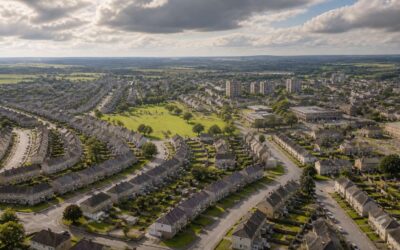
The city of ekurhuleni town planning scheme delineates geographic coverage in clear, navigable terms: a tapestry from the urban core to the outer townships, linked by transit corridors and resilient infrastructure. It frames which areas receive attention first and how neighborhoods breathe together.
- Urban core corridors
- Suburban growth fronts
- Peripheral rural interfaces
This geographic layering guides infrastructure investment and service delivery across the district, ensuring that development remains legible and connected.
Historical context and development timeline
“Growth must breathe,” a refrain etched into the city of ekurhuleni town planning scheme since the earliest maps. History reveals a patient arc from rail-adjacent cores to mixed-use precincts where street life informs policy, not the other way around. Each milestone is a quiet argument for place-based design that respects history while inviting the future.
Historical context unfolds in fits and starts, a development timeline that mirrors South Africa’s broader urban transition. Consider these moments:
- 1940s–60s: rapid urbanization surrounding industrial hubs.
- 1994: planning reshapes toward inclusion and public participation.
- 2000s: emergence of transit corridors linking townships and suburbs.
- 2010s–present: resilience, climate adaptation, and informal settlements integrated into formal planning.
Today, the city of ekurhuleni town planning scheme translates history into legible, connected neighborhoods, guiding infrastructure and public realm investments across the district. The timeline is not a museum label but a living blueprint—an insistence that growth, history, and human scale share the same street.
Key stakeholders and governance
The street is a living thread weaving history into a resilient future. In the city of ekurhuleni town planning scheme, governance becomes a conversation—policy that bends toward inclusive participation, climate readiness, and human-scale streets. A practical map of authority guides decisions from public realm to mobility, ensuring transparency and community voice shape every corner.
- City planning and development department, City of Ekurhuleni Metropolitan Municipality
- Ward committees and public participation forums
- Provincial planning authorities and COGTA liaison
- Metro transport and utility agencies
- Developers, housing associations, and community NGOs
Together, these actors translate the scheme into legible neighborhoods, guiding infrastructure and the public realm with accountability, adaptability, and boundless possibility.
Zoning framework and land use in Ekurhuleni
Residential commercial and industrial zoning categories
“The zoning map is the city’s memory,” a planner likes to say. In the city of ekurhuleni town planning scheme, the zoning framework threads land use through residential, commercial, and industrial categories, shaping streetscapes and livelihoods. This framework guides where families live, where workers reach markets, and where goods move, all while preserving the city’s character and future vitality.
Residential zoning covers everything from quiet family neighborhoods to higher-density precincts that support transit and services. Commercial zones energize main streets with retail, offices, and mixed-use buildings. Industrial zones safeguard production and logistics sites with buffers and access rules. When these categories are aligned with development controls, the city balances housing, employment, and sustainability, letting communities grow without compromising neighbourhood integrity.
Open spaces and environmental protection
“Zoning is the city’s quiet architect,” a planner likes to say. In the city of ekurhuleni town planning scheme, open spaces and environmental protection are not afterthoughts but the spine of daily life, guiding how streets breathe and where families gather. I’ve watched these spaces shape conversations at the market and on the sidewalk.
From quiet residential enclaves to business corridors and light industrial zones, the zoning framework threads land use with care for waterways, parks, and green buffers. It anchors development controls that promote walkable neighborhoods and tree canopies across the city of ekurhuleni town planning scheme.
Key features include:
- Green corridors stitch parks and homes into shade and safety.
- Biodiversity buffers shield waterways and urban wildlife.
- Water-sensitive design like rain gardens and permeable paving.
These choices protect open spaces and guide growth, allowing a livable, forward-looking urban landscape under the city of ekurhuleni town planning scheme.
Special zones and overlays
In the city of ekurhuleni town planning scheme, zoning becomes a living tapestry—threading quiet streets with lively markets and careful river buffers. It is a choreography of use, where each block has purpose and every corner tells a measured, lyrical story.
Special zones and overlays refine land use with a gentler precision, balancing growth with character, heritage, and risk. These are the soft rules guiding where a corner shop can rise beside a studio, where parklets cradle pedestrians, and floodplains stay gentle.
- Transit-oriented development corridors
- Heritage overlays preserving architectural fabric
- Waterway buffers and floodplain controls
- Mixed-use overlays encouraging walkable streets
Together, they create a city that feels timeless and ready for tomorrow—an urban canvas where movement, memory, and light meet in balanced dialogue!
Land use rights and development permissions
Within the city of ekurhuleni town planning scheme, zoning is more than lines on a map—it’s a living contract between place and people. The zoning framework translates policy into land use rights and development permissions, deciding what may be built, where, and when, while balancing neighbourhood character with growth pressures. Each parcel carries potential and responsibility, turned actionable through careful administration.
- Land use rights and development permissions.
- Zoning maps and overlays with district rules.
- Development controls and approval processes.
- Site-specific constraints linked to infrastructure and risk.
Within this framework, I see how growth can be intentional rather than hasty; communities and developers learn to listen. The city of ekurhuleni town planning scheme becomes a compass for walkable streets, mixed-use vitality, and resilient design—an invitation to shape a future that respects memory and momentum.
Development controls and approvals process
Application procedures and required documents
“Approval is the architect of opportunity,” a seasoned planner often says, and in the city of ekurhuleni town planning scheme that truth shapes every street corner! Development controls spell out how density, setbacks, and environmental safeguards mingle with built form. The approvals process becomes a map readers trust, guiding concepts from sketch to soil and steel, whether the project is residential, commercial, or light industrial.
Application procedures hinge on clear submissions. The framework rewards completeness with smoother consideration. Typical requirements include:
- Completed application form
- Site plan and floor plans
- Proof of ownership or consent from the owner
- Zoning certificate and land-use rights
- Environmental, drainage, and heritage information where relevant
Upon lodgement, a measured review unfolds: technical assessments, public notification, and alignment with broader spatial plans. Approved schemes may carry conditions that protect street character, open spaces, and future adaptability, ensuring growth serves communities without compromising identity.
Assessment criteria and decision making
In the city of ekurhuleni town planning scheme, development controls are the quiet conductor of the urban symphony. Density limits, setbacks, environmental safeguards, and heritage considerations choreograph how a project grows from sketch to skyline. The approvals process becomes a compass, guiding concepts toward a harmonious street character and resilient neighborhoods, whether a small residential cluster or a modest industrial unit.
Assessment criteria distill complex considerations into clear test points:
- Compatibility with surrounding land uses and street character
- Infrastructure capacity and serviceability for water, drainage, and mobility
- Environmental, heritage, and open-space safeguards
Final decisions rest with the planning authority, informed by technical assessments, public notification, and alignment with broader spatial plans. Conditions may shape layout, drainage, or open spaces, ensuring future adaptability while protecting character.
Public consultation and stakeholder engagement
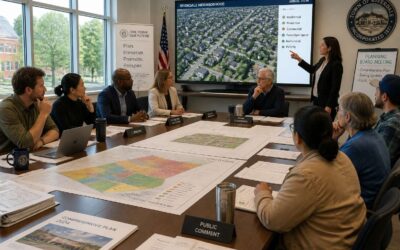
Seventy percent of urban changes begin with a single citizen comment, a reminder that public input can redraw a skyline. In the city of ekurhuleni town planning scheme, development controls and approvals process operate as a living framework, adjusted by what communities share in noticeboards and online forums. Public consultation and stakeholder engagement are not mere formalities; they shape drainage decisions, open spaces, and the street character that binds neighborhoods together. Clear information, accessible meetings, and honest timelines keep momentum without sacrificing rigor.
Engagement unfolds in layers, from early scoping to final approvals. The process commonly includes:
- Public notices and information sessions
- Written submissions and response periods
- Consultation with neighbors, ward committees, and business representatives
This dialogue helps ensure that development controls remain respectful of character while enabling growth.
Appeals and enforcement mechanisms
Seventy percent of urban changes begin with a single citizen comment, a reminder that public input can redraw a skyline. The city of ekurhuleni town planning scheme treats that input as fuel for a living framework where development controls evolve with community needs.
Development controls and the approvals process operate as a living framework: proposals are checked against zoning rules, drainage, and design standards; notices inform the public; and clear timelines keep the process rigorous!
Appeals and enforcement are the checks and balances in this system.
- Grounds for appeal include errors in law or misinterpretation of the scheme.
- Appeals typically go to the provincial planning tribunal or MEC, with a defined response period.
Enforcement mechanisms ensure compliance with approved controls: enforcement officers issue compliance notices, stop-work orders, and penalties or legal remedies when necessary.
Impact on residents and investors
Housing affordability and neighbourhood planning
Across the city of ekurhuleni town planning scheme, housing costs steer everyday life. Roughly a third of households spend over 30% of income on shelter, a pressure that colors choices about transport and schools. The framework promises clearer rules and predictable timelines for everyone.
Housing affordability benefits when the plan promotes a mix of homes near work and transit and when neighbourhood planning gives residents a say in where shops, schools and green spaces cluster.
- Integrated housing and amenities near transit
- Clear density targets that avoid sprawl
- Transparent community consultation processes
It guides investors toward sustainable returns by clarifying rights and speeding approvals.
Ultimately, the city of ekurhuleni town planning scheme aims to keep neighbourhoods affordable, navigable, and liveable, balancing resident needs with investor confidence.
Property values and investment signals
In the city, roughly a third of households spend more than 30% of income on shelter, shaping every block. Impact on residents and investors is felt in the rhythm of daily life: predictable approvals and clear development rights calm nerves and stabilize property values. Buyers and renters gain confidence, while services plan with steadier demand. The city of ekurhuleni town planning scheme aims to balance everyday stability with room to grow.
- Clear development rights and shorter approval windows
- Transit access and density patterns near work and shops
- Open-space protection and environmental safeguards
For investors, these signals translate into financing clarity and predictable exit options; for residents, they translate into stable home values and longer-term neighbourhood vitality.
Infrastructure planning and service delivery
In the city of ekurhuleni town planning scheme, everyday life gains a steady tempo when development rights are clear and approvals move briskly. For residents, that steadiness translates into stable home values and predictable bills; for investors, financing clarity and clearer exit options become practical signals. Infrastructure planning is anchored in service delivery, turning potential strain into reliable networks— power, roads, and waste management that respond to growth rather than chase it.
Under the city of ekurhuleni town planning scheme, density near work and shops is guided by transit access and design that makes corridors feel natural. This is less about bureaucratic rules and more about lived rhythms— neighbourhoods that breathe, parks that endure, and services that scale with demand.
- Transit connectivity that shortens commutes
- Aligned public services and maintenance cycles
All of this translates into longer‑term neighbourhood vitality, where value endures and daily life finds its rhythm in stability and growth.
Community benefits and social outcomes
In the city of ekurhuleni town planning scheme, everyday life gains a steady tempo when development rights are clear and approvals move briskly. For residents, that steadiness translates into stable home values and predictable bills; for investors, financing clarity and clearer exit options become practical signals. When planning aligns with daily life, neighbourhoods breathe, and the city grows with intention.
- Affordable, well-located housing that keeps families close to work and schools
- Vibrant local economies with supportive infrastructure for small businesses
- Public spaces, parks, and safe streets that scale with community needs
All of this translates into longer‑term neighbourhood vitality, where value endures and daily life finds its rhythm in stability and growth. The framework savours community benefits and social outcomes—inclsuion, safety, and opportunity—that resonate through households and neighbourhoods long after the permits are signed.


0 Comments