Overview of Durban planning and development
What is Durban planning? Key objectives and scope
In the arena of durban town planning, the city plots its future with swagger. By 2030, over 70% of South Africans will live in urban areas, so Durban must plan with speed and nuance. The aim: streets that breathe, affordable homes, and debate-worthy spaces.
What is Durban planning? It’s the art and science of shaping land use, infrastructure, and housing to support a thriving city while protecting its heritage and environment. It blends statutory frameworks, community input, and design guidelines to ensure places work for people, not paperwork.
- Zoning and land use alignment
- Transport integration and mobility
- Housing diversity and mixed-use development
- Public space resilience and climate readiness
- Heritage conservation and environmental stewardship
Key objectives and scope: The objectives hinge on sustainable growth, affordability, equity, and climate-smart infrastructure. The scope spans municipal plans, precinct-level design, development control, and enforcement, all coordinated to keep Durban’s character intact while welcoming new investment.
Historical context of Durban’s urban development
By 2030, more than 70% of South Africans will live in urban areas. Durban’s response to that tidal shift is a living art form—durban town planning that shapes streets, markets, and public space with care. Heritage is treated as a partner, not a relic, and design acts as a catalyst for vibrant, climate-ready neighborhoods.
Durban’s urban story began as a bustling port city, where the harbor drew traders and settlers, planting a grid that still whispers through today’s streets. The 20th century layered growth with industrial expansion, migrant flows, and the stark divisions of apartheid, turning the shoreline and ridge lines into a canvas of competing forces. Since 1994, redevelopment has braided preservation with renewal, using housing, transport, and public space as the threads of a broader city fabric.
- Colonial harbor foundations and the early grid
- Apartheid-era zoning and spatial separation
- Post-apartheid renewal and heritage-led development
Current regulatory environment and planning authorities
A brisk, urban waltz where density meets charm. With 70% urban living projected by 2030, the city choreographs streets, markets, and public spaces with practiced nimbleness.
Overview of Durban planning and development: durban town planning remains a city-wide conversation—heritage, climate resilience, and markets all have seats at the table. A plan-led approach anchors work in the eThekwini IDP and a guiding Spatial Development Framework, translating vision into neighborhood-scale actions, and ensuring streets are for pedestrians as well as progress.
Current regulatory environment and planning authorities: The city’s planning operates within a layered framework that aligns national policy with local execution.
- SPLUMA — national Spatial Planning and Land Use Management Act
- eThekwini Municipality IDP and SDF
- Provincial Cogta/EDTEA guidance for approvals and funding
In this chess game, governance reads as conversation rather than decree, a sign of Durban’s confident future.
Key stakeholders in Durban planning
Durban’s growth isn’t scripted in a single decree; it’s negotiated in streets, markets, and planning offices. The city’s planning and development story is a living dialogue among residents, councils, and investors, shaping how neighborhoods breathe and connect.
Key stakeholders in Durban planning include:
- eThekwini Municipality planning and development teams
- Ward councillors and local communities
- Provincial Cogta and EDTEA
- National SPLUMA oversight bodies
- Private sector developers and investors
- Civil society, heritage groups, and resident associations
- Universities and research institutions
These players translate policy into streets and spaces, guided by the IDP and SDF. This is what durban town planning looks like in action—an adaptable, city-wide conversation that pushes for pedestrians, markets, and public spaces to coexist with progress.
Economic and social goals driving Durban planning
“Cities are built in the gaps between rules,” a Durban planner once said, and the gaps are where durban town planning truly breathes. The streets become evidence of intent, and every zoning twist hints at possibilities rather than penalties. The city’s heartbeat shows in candid conversations with residents, developers, and learners.
Durban planning harnesses economics and social purpose to knit neighborhoods into coherent, walkable ecosystems. Development priorities prioritize transit access, markets, and public spaces, so growth feels inclusive, not exclusive. Economic and social goals driving Durban planning include:
- Job creation through mixed-use hubs
- Affordable housing near transit and services
- Heritage conservation alongside modern reinvention
Zoning and land use in Durban
Zoning laws and guidelines in Durban
Durban’s streets hum with a quiet enchantment as durban town planning maps guide footprints from beachfront promenades to candlelit inner suburbs. Zoning and land use here feel less like rigid lines and more like breaths of the city—deciding where families grow, where markets awaken, and how public spaces invite conversation.
To imagine real-world boundaries, consider these core zone moods:
- Residential
- Commercial
- Mixed-Use
- Open Space and Conservation
Guidelines drift on the currents of climate, transport, and memory, shaping development that is walkable, climate-smart, and inclusive. They bind density to place and ensure public life thrives along streets that glimmer at dusk. In this vision, durban town planning threads together neighborhoods with resilience and opportunity.
Residential, commercial, and mixed-use zoning in Durban
In durban town planning, zoning isn’t about cages—it’s choreography that determines where morning coffees meet sunset strolls. Durban’s approach blends pace and place, turning 15-minute blocks into neighborhoods where growth, transit, and public life glide together rather than collide.
Residential zones shape family life, with housing density, setbacks, and green corridors nudging homes toward walkable streets. Commercial zones concentrate retail, offices, and eateries where energy draws crowds, while rules guard parking and access so streets remain inviting rather than gridlocked.
- Residential: family-centric, mid-density housing, and accessible public spaces.
- Commercial: high activation with retail, offices, and services along well-connected corridors.
- Mixed-Use: vertical and horizontal integration that stitches living, working, and leisure.
Together they thread climate-smart design, transport networks, and memory into resilient streets where Durban’s evenings glimmer and communities converse.
Green belts, open space, and environmental constraints
Durban’s zoning is a living map; green belts quiet the city’s hum. The street becomes a living room, and blocks breathe in cadence with the tide. In durban town planning, these belts stitch safe corridors for wildlife, cyclists, and walkers while buffering residential streets from noise and spillover.
Open spaces—parks, river edges, and coastal reserves—are carved into the urban fabric to weave climate-smart design into daily life. Environmental constraints, from floodplains to steep slopes, shape where densities rise and where restoration opportunities spark community pride.
Several levers align to keep this balance intact across Durban’s neighborhoods:
- Green belts that guide movement and protect ecology
- Open spaces that invite spontaneous gatherings
- Environmental constraints mapped to resilient redevelopment
This is how the city stays alive after dark, with memory embedded in streets and transit lines, and with planning that reads the winds rather than fights them.
Impact of zoning on development timelines
In durban town planning, maps and momentum fuse—one zoning decision can add months to a build or shave them off, shaping whether a site becomes a quiet courtyard or a lively corridor.
Zoning provisions decide what sits on a site, how tall it may rise, and how parking and stormwater are handled, all while aligning with infrastructure plans and environmental constraints. This is where practical feasibility meets ambition—and where timelines hinge on compliance rather than whimsy.
Several factors commonly stretch or accelerate approvals:
- Public participation requirements at local meetings
- Environmental, heritage, and flood assessments
- Infrastructure readiness and services provision
- Rezoning or land-use permission steps and committee reviews
All of this is the quiet engine behind Durban’s urban continuum—where zoning and land use decisions balance speed with sustainability, keeping neighborhoods legible and growth resilient.
Infrastructure-led planning in Durban
Transport planning and accessibility in Durban
Infrastructure is the heartbeat of durban town planning. In cities where infrastructure-led planning guides transport, commutes flow more smoothly, with travel times dropping in core corridors by as much as 20%.
Durban’s transport planning prioritizes accessibility. Walkable precincts, protected bike lanes, and accessible transit hubs connect homes, workplaces, and schools into a cohesive, legible network.
Key moves to unlock broader access include the following components:
- Transit-oriented development around major stations
- Complete streets that balance pedestrians, cyclists, and vehicles
- Integrated fare and real-time information systems
Accessibility and reliability shape investment decisions and daily life, guiding where new housing, offices, and services cluster along Durban’s expanding transport arteries.
Water, energy, and utilities planning in Durban
“Durban town planning sails on sunlight and tides,” a seasoned planner once quipped, and the city answers with a seamless fabric of water, power, and utilities. Infrastructure-led planning threads these systems into a resilient grid that keeps households powered, ensures clean water, and maintains essential services even under stress.
In practice, this means a harmonized approach across sectors:
- Integrated water networks that curb leakage and boost drought resilience
- Localized energy systems and microgrids that reduce outage risk
- Smart meters and real-time monitoring to align demand with supply
For durban town planning, aligning water, energy, and utilities with land-use choices unlocks stable growth, supports vibrant precincts, and preserves environmental bottom lines along the coastline and inland valleys.
Public spaces and coastal node development
A 15% reduction in flood risk across new coastal nodes isn’t luck—it’s deliberate, data-informed design. In durban town planning, public spaces along the shoreline are treated as living interfaces where water, shade, and movement meet. These spaces become anchors for resilient neighborhoods, hosting markets and performances while withstanding seasonal storms.
- Promenades with solar-generated lighting and accessible beach fronts
- Permeable paving that lowers runoff and cools urban heat
- Raised boardwalks and floodable plazas that tolerate surge and lull
- Dune restoration and native planting as living barriers
Coordinated planning across transport, land-use, and environmental management ensures these coastal nodes support vibrant precincts while safeguarding ecosystems. For durban town planning, the coastline becomes a legible, walkable stage where transit hubs, public art, and small enterprises converge without compromising nature.
Resilience and climate adaptation in Durban infrastructure
Durban town planning isn’t just ink on a map—it’s a weatherproof blueprint. When storms roll in and heat waves bite, the infrastructure spine must hum, not stall. In durban town planning, resilience is designed into the city’s backbone, turning risk into a routine feature rather than a cliffhanger.
Infrastructure-led planning ties water, energy, and transport into a single nervous system, so climate adaptation reads like common sense, not a miracle. Consider these core moves:
- Flood-resilient drainage that keeps streets open and parks usable after a downpour
- Solar-plus-storage micro-grids that power hospitals and hubs when the grid falters
- Smart water management with leak detection and reuse for cooling, toilets, and greenery
- Coordinated transport utilities with demand management to curb congestion and emissions
When these layers combine, Durban’s infrastructure isn’t a liability—it’s a stage for resilience, economic vitality, and everyday peace of mind.
Smart city initiatives and digital planning tools in Durban
Durban’s infrastructure-led planning is no afterthought—it’s the city’s nervous system in action. In a weather-stressed landscape, uptime and mobility are non-negotiables. As one planner puts it, data turns streets into living corridors. This approach stitches water, energy, and transport into a single resilient spine, making climate risks routine rather than disruptive. In durban town planning terms, it anchors growth in reliability.
Digital planning tools accelerate decisions and keep pace with growth:
- GIS dashboards and spatial analytics
- 3D city models for scenario testing
- Real-time sensor networks for water and energy
- Open data portals for collaboration
This toolkit translates ambition into deliverables, guiding street design, service planning, and investment prioritization with clarity. I see these tools making the city more resilient, more connected, more alive!
Regulatory processes and approvals in Durban planning
Application procedures for development approvals
In the shadowed corridors of Durban, regulatory processes in durban town planning move with a patient, almost ceremonial tempo. A dream project waits behind a door, and every paragraph of policy tests your resolve. As one planner quips, “Permits are the heartbeat of the city—without them, progress starves.”
Application procedures unfold in stages, demanding exact documentation and disciplined timing. The pathway culminates in a Development Application through the local planning authority.
- Pre-application discussions with the planning authority
- Submission of the Development Application (DA) with site plans, elevations, and impact statements
- Technical reviews by planning, heritage, environmental, water, and transport teams
- Public notification and opportunity for comment (where required)
- Final decision with conditions or scope for appeal
Success hinges on accuracy, early stakeholder engagement, and a clear alignment with Durban’s resilience and sustainability goals—anchoring the city in a sturdy, living timeline.
Public participation and stakeholder engagement
Durban’s planning corridors move with patient gravity, turning ambition into form. In durban town planning, regulation is the city’s quiet architect—guiding towers, streets, and public spaces into a coherent pulse. A Durban planner once whispered that rules are not cages but compass roses, steering projects toward resilience while leaving room for community voice and creative risk.
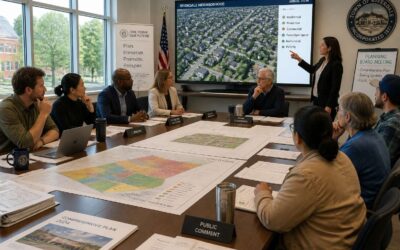
Public participation and stakeholder engagement sit at the heart of the process; they shape the map before any permit is plotted. Channels open wide to capture diverse perspectives, from residents near revitalization corridors to business associations and cultural groups.
- Public meetings and ward-level workshops
- Written submissions and interactive online forums
- Consultations with heritage, environmental, and community organizations
These dialogues infuse plans with legitimacy and practicality, ensuring the planning framework reflects lived experience as much as technical analysis.
Appeals, waivers, and amendments in Durban planning
Durban town planning moves with patient gravity; the durban town planning ethos choreographs towers and streets before a permit ever bears a stamp. Appeals, waivers, and amendments function as the city’s tuning forks, nudging projects toward balance between ambition and obligation. A decision is not the endgame but a hinge—each revision invites clearer alignment with resilience, public space, and the long arc of urban vitality.
Key channels through which these instruments move include:
- Appeals to the municipal planning tribunal when a decision appears misaligned with the zoning framework.
- Waivers and deviations processed through committee channels, backed by justification and impact studies.
- Amendments to development schemes submitted for council approval, reflecting evolving urban strategy.
In the weave of durban town planning, approvals are a dialogue between code and community, ensuring growth carries a conscience as well as commerce!

0 Comments