Understanding town planning: purpose and scope
Historical context of urban planning
Even in a land of dramatic landscapes, what is town planning becomes a compass for growth and belonging. In South Africa, a single blueprint can shape a street, a school, a market, and the space between them. The goal is not merely buildings but a living rhythm where communities breathe.
Understanding purpose and scope reveals a map that is practical and poetic. Its aims guide growth, housing, transport, and public life.
- Guiding sustainable growth and resilient infrastructure
- Balancing housing, jobs, and mobility
- Protecting heritage, green spaces, and social equity
Many South African towns see those aims translate into streets that connect, markets that hum, and spaces that invite conversation.
Historically, urban planning grew from market towns and colonial grids, weathering apartheid zoning before being reimagined after 1994. Today, the scope reaches land use, transit, and public spaces, knitting housing, work, and movement into a shared rhythm.
Core aims and benefits of town planning
Cities remember their people; planning makes that memory legible. Jane Jacobs wrote that ‘Cities have the capability of providing something for everybody, only because, and only when, they are created by everybody.’ Understanding what is town planning reveals how this discipline translates aims into land use, transit, and public spaces, weaving housing and work into a shared rhythm that keeps streets alive across South Africa.
Understanding purpose and scope reveals a map that is practical and poetic. Its aims push for orderly land use, safer streets, accessible services, and dynamic public space. The benefits appear as walkable blocks, efficient infrastructure, and spaces that invite conversation and daily life.
- Walkable streets that boost everyday interactions
- Smart land use that matches demand with capacity
- Public spaces that welcome dialogue and culture
That is how town planning shapes towns that feel like home.
Key stakeholders and their roles
“Cities have the capability of providing something for everybody, only because, and only when, they are created by everybody.” So, what is town planning? It is the discipline that aligns land use, transit, and public spaces with community needs across a region, turning maps into lived experience in South Africa.
Its scope reaches from zoning and housing to safe streets and a lively public realm. Key stakeholders play different parts: local councils set rules; provincial planners coordinate funds and policy; developers build within guidelines; civil society and community groups voice needs; transport authorities tune routes and timetables; utilities ensure services meet growth.
- Local councils
- Provincial planners
- Developers and housing associations
- Civil society and communities
- Transport authorities
- Utilities and service providers
Together, they translate ambitious aims into streets that work for everyday life.
Planning instruments and methods
More than 60% of South Africa’s population lives in urban areas, and every street tells a story of planning. So, what is town planning? It is the discipline that aligns land use, transit, and public spaces with community needs across a region, turning maps into lived experience.
Understanding its purpose and scope means tracing how ideas move from policy to pavement. It threads zoning, housing, safe streets, and a vibrant public realm into a coherent whole that serves daily life. Planning instruments and methods apply the weave in concrete form:
- Zoning codes and subdivision controls that shape where people live, work, and play
- Development frameworks and spatial plans that guide growth and renewal
- Public realm design and transport-oriented strategies that connect streets to destinations
With tools like participatory budgeting, GIS analysis, and scenario planning, planners test futures before construction begins. The result is a more humane urban fabric—walkable blocks, safer routes, and spaces where communities gather!
Planning tools and processes in practice
Master plans and zoning basics
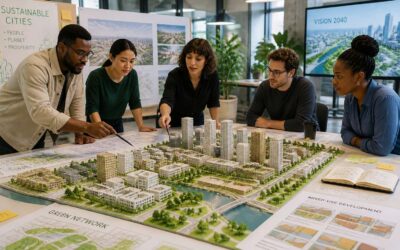
Every pencil stroke on a master plan can decide the routes a family takes to work—and that is the quiet power behind what is town planning across South Africa. In practice, planning tools translate maps into decisions that shape streets, schools, and parks.
In practice, it uses GIS, public input, and impact assessments to test how growth feels on real life.
Two core instruments anchor action:
- Master plans outline growth horizons, phasing, and precinct visions.
- Zoning basics convert policy into land-use rules—residential, commercial, industrial, and overlays for heritage, flood risk or environmental safeguards.
Used together, these tools anchor development in place, not merely in policy.
Public consultation and community engagement
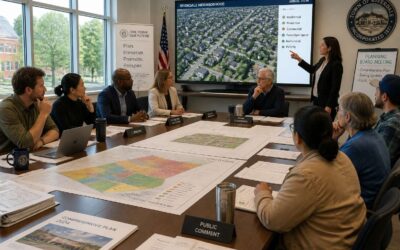
Across South Africa, communities shape growth—up to 60% of major planning decisions are informed by public input. So what is town planning if not a dialogue that reconciles maps with real lives? Planning tools translate GIS data into choices about streets, schools, and parks, while the human voices test how growth feels in practice. The aim is not to override preference but to anchor development in place, balancing speed with character and risk with opportunity.
Public consultation unfolds through sessions, surveys, and ward-based discussions that invite candid, sometimes tough, questions. It’s about more than listening; it’s about reframing plans in light of real concerns and aspirations. The process often uses a simple cadence:
- Issue scoping and transparency
- Community workshops and online feedback
- Impact reporting and plan adjustment
Land use impact assessments and feasibility studies
Across South Africa, a single planning decision can shape a neighborhood for generations. what is town planning sits at the crossroads of maps and lived experience, a dialogue where numbers meet everyday lives.
Planning tools translate GIS data into practical choices—where to widen a road, where to locate a clinic, and where to protect a park. Land use impact assessments and feasibility studies anchor these choices in reality.
- Site constraints and suitability
- Environmental and social impact considerations
- Financial viability and funding pathways
Impact assessments examine traffic patterns, drainage, shade, and access to amenities; feasibility studies balance upfront costs with long-term maintenance and service delivery.
Together, these tools turn abstract proposals into testable scenarios, helping communities picture how streets, schools, and green spaces cohere into a coherent, resilient place.
Development approval and regulatory processes
Development approval in SA is where ambition meets process. What is town planning? It’s the discipline that translates a vision into rules that hold a neighborhood together—protecting light, access, and opportunity while balancing budgets. It’s not abstract; it’s street-level impact, visible in every curb cut and park bench!
In practice, the path runs like this:
- Pre-application screening to identify legal constraints and community stakes
- Formal submission with site plans, elevations, and environmental notes
- Public consultation and technical review to align with zoning and policies
- Assessment of infrastructure capacity and service delivery implications
- Decision by the planning authority with conditions and monitoring terms
- Appeals, compliance checks, and post-approval adjustments
That sequence turns policy into place, balancing urgency with care for people and ecosystems. Ultimately, the idea of what is town planning reveals itself as a discipline that turns policy into place, ensuring streets, schools, and spaces endure beyond the next election cycle.
Legal and policy frameworks shaping town planning
National, regional, and local planning laws
Cities are more than maps; they are living contracts among land, people, and policy. In South Africa, legal and policy frameworks at national, regional, and local levels steer how spaces are designed, used, and shared. From zoning to environmental safeguards, these rules translate broad ambitions into real streets and settlements, guiding growth while guarding heritage, livelihoods, and future opportunity.
At the core, three layers shape what happens on the ground:
- National policy frameworks and legislation
- Regional development plans and intergovernmental agreements
- Municipal planning schemes and by-laws
Together, they provide alignment across scales and offer predictable rules for developers, communities, and councils.
People often ask, what is town planning, and the answer lies in a disciplined embrace of policy and place—how rules translate into streets, housing, and public spaces that work for communities.
Zoning codes and regulatory frameworks
Legal and policy frameworks shape town planning by turning broad ambitions into the everyday fabric of streets and blocks. In South Africa, zoning codes and regulatory frameworks translate national aims into practical rules for land use, building form, and public spaces. The question what is town planning becomes a practical lens on policy in action—how rules guide where people live, work, and move, while guarding heritage and livelihoods.
- land-use permissibility and density controls
- environmental safeguards and heritage protections
- permitting pipelines and appeal avenues
These elements inform predictable, measurable outcomes for developers, communities, and councils alike, weaving policy into the daily life of places.
Environmental protection and sustainability statutes
Policy without teeth is decorative fencing. In South Africa, the rulebook—from national acts to municipal bylaws—turns big ambitions into the daily street grid. So, what is town planning? It’s the legal and policy framework that decides where we live, work, and move, while embedding environmental protection and sustainability statutes into every zoning tweak and building form.
Environmental protection and heritage safeguards aren’t add-ons; they’re the spine of practical planning. This framework also carves out permitting pipelines and appeal avenues to keep processes fair and transparent.
- Environmental impact assessments and approvals
- Heritage and ecological protections in land-use decisions
- Clear permitting pipelines and accessible appeal avenues
Used well, they translate national aims into predictable, measurable results for developers, communities, and councils.
Affordable housing and inclusive design policy
To answer what is town planning, think of it as the living rule book that makes streets safe, homes decent, and parks welcoming. In South Africa, a layered system—national acts, SPLUMA, and municipal bylaws—translates lofty aims into practical grids. I’ve watched communities come alive when these rules guide developers, councils, and residents toward places that work, not just big ideas.
Affordable housing and inclusive design policy aren’t afterthoughts; they shape every street corner. When policy nudges for affordable units and universal access, towns become real homes for more people. Planners translate this into practical tools that blend income groups, ensure accessible entrances, and keep public life welcoming.
- Inclusionary zoning near transit hubs
- Universal design for entrances and paths
- Density incentives without sprawl
- Proximity to schools, clinics, and shops
- Transparent timelines and community scrutiny
When these pieces fit, the day-to-day city feels both ordinary and extraordinary—human-scale, inclusive, and alive.
Compliance, enforcement, and appeals processes
The question of what is town planning reveals a choreography of rules that translate ambition into practical, sometimes stern, urban form. In South Africa, the legal loom threads national acts, SPLUMA, and municipal bylaws into a living grid—one that keeps streets safe, rights protected, and design accountable to the people who walk them.
Compliance, enforcement, and appeals keep this dance honest. Key mechanisms include:
- Compliance regimes that verify permits and measure ongoing performance
- Enforcement pathways for breaches with opportunities to rectify
- Appeals processes accessible to communities and developers
- Independent review bodies that ensure due process
When disputes gnaw at decisions, transparent timelines and public scrutiny turn fog into clarity, guiding cities toward humane, human-scale outcomes.
Emerging trends in urban planning and design
Data-driven planning and smart city concepts
Urban data dashboards have become the new streetlights, guiding decisions with a quiet certainty. Cities chase resilience, equity, and efficiency in equal measure, balancing heritage brick with agile digital tools.
Emerging trends in urban planning and design stretch beyond grids and zoning. what is town planning: it’s the craft of translating numbers, neighbourhood stories, and stubborn sunlight into streets that breathe, connect, and endure within South Africa’s diverse tapestry.
- data-driven dashboards and GIS analytics
- smart infrastructure with sensor networks
- participatory planning and community co-design
Together, these threads stitch urban life with precision and a dash of prudence.
Transit-oriented development and mobility planning
Emerging trends in urban planning stretch beyond grids and zoning, embracing transit-oriented development, mobility planning, and streets that nurture conversation as much as movement. In South Africa’s cities, researchers note that well-designed mobility choices can trim car trips by up to 25%, while boosting local business and pride!
In exploring what is town planning, a craft that threads dense, human-scale neighbourhoods with efficient transit, broad pavements, and sunlit corners emerges. It seeks to knit heritage with agile digital tools, turning corridors into living rooms for everyday life.
- Transit-oriented cores that blend housing, work, and transit blocks
- Mobility hubs and feeder networks for seamless last-mile trips
- Active transport integration with safe cycling and pedestrian-friendly streets
These threads promise urban life that breathes, connects, and endures across South Africa’s diverse tapestry.
Climate resilience, adaptation, and risk management
A striking stat lingers: cities that weave climate resilience into planning recover faster from extreme events than those that don’t. This begs the question: what is town planning in this era if not the craft of stitching risk into everyday life, turning streets into shields and neighborhoods into futures?
Emerging strategies hinge on adaptation and risk management, weaving nature-based solutions into streets, shade, and drainage.
- Nature-based solutions and green infrastructure
- Urban cooling through shading and trees
- Data-driven hazard mapping and scenario planning
In South Africa’s cities, diverse neighborhoods demand resilience that respects heritage while inviting innovation!
Ultimately, the discipline becomes a living dialogue between climate risk, urban form, and everyday life.
Placemaking, public realm design, and urban aesthetics
Two-thirds of humanity will inhabit cities by 2050, the statistic that haunts every planner. What is town planning in this era if not the craft of stitching future neighborhoods into living, breathable spaces! In South Africa, the test is to balance heritage with bold, useful change.
Emerging trends tilt toward placemaking, public realm design, and urban aesthetics that invite touch, shade, and lingering. A few shifting elements are guiding the move:
- Placemaking that centers lived experience over paper maps.
- Public realm design fostering safe, sociable streets at all hours.
- Urban aesthetics blending local craft with modern form.
In South Africa’s uneven landscapes, designers hear markets, old streets, and new voices, letting heritage serve as anchor while invention takes wing. The field becomes a nocturne of matter and light, asking every corner to reveal what it longs to become.

0 Comments