Overview of Kwinana Town Planning Scheme No 2
Introduction to the Scheme – Historical background and purpose of TPS No 2
Stretching across a landscape that has witnessed rapid growth and evolving urban needs, the City of Kwinana Town Planning Scheme No 2 (TPS No 2) stands as a cornerstone of strategic development. Envisioned in response to the burgeoning population and industrial expansion, this scheme was designed to balance economic vitality with environmental sustainability. Since its inception, TPS No 2 has played a pivotal role in shaping the city’s infrastructure, land use, and zoning regulations, ensuring that development remains aligned with community values and future aspirations.
Rooted in a historical context of post-war reconstruction and economic diversification, the City of Kwinana Town Planning Scheme No 2 reflects a deliberate attempt to foster a cohesive urban environment. It incorporates a comprehensive vision for residential, commercial, and industrial sectors, aiming to create a vibrant cityscape that caters to diverse needs. As urban planners and local authorities continually refine the scheme, it remains a vital blueprint that guides Kwinana’s growth, protecting green spaces and promoting innovative land use strategies. Ultimately, TPS No 2 embodies a forward-thinking approach, ensuring that Kwinana’s development is both sustainable and resilient for generations to come.
Scope and Coverage – Geographical areas covered and zoning classifications
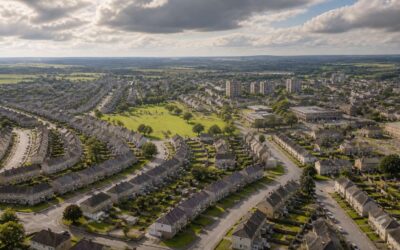
Encompassing a substantial geographical footprint, the City of Kwinana Town Planning Scheme No 2 meticulously defines the land use and zoning frameworks that underpin this rapidly evolving metropolis. Spanning from the bustling industrial zones to the serene residential pockets, the scheme’s scope is as diverse as Kwinana’s own community fabric.
Within its coverage, the scheme delineates distinct zones, each with a carefully curated purpose. These include:
- Residential areas, fostering community growth and comfort
- Commercial districts, vital for local commerce and enterprise
- Industrial sectors, supporting the city’s economic backbone
Moreover, the city of Kwinana town planning scheme no 2 also recognizes green spaces and conservation buffers, ensuring development does not come at the expense of environmental sustainability. This spatial orchestration is performed with a keen eye on future growth, making certain that the city’s expansion remains harmonized with its natural scenery and social needs.
Key Objectives – Urban development goals and sustainability initiatives
The City of Kwinana Town Planning Scheme No 2 is more than just a blueprint for urban expansion—it’s a visionary roadmap that harmonizes development with sustainability. At its core, the scheme’s key objectives are centered around fostering sustainable growth while protecting the natural environment. This delicate balancing act is essential, especially in a city known for rapid industrial growth yet rich green spaces.
An integral part of the scheme’s goals involves promoting vibrant communities through well-planned residential zones. These areas are designed to support social cohesion, ensuring residents enjoy a high quality of life amidst thoughtfully curated neighborhoods. The scheme also emphasizes embracing modern commercial districts, vital for generating economic vitality and providing local employment opportunities.
Furthermore, prioritizing environmental sustainability, the city of kwinana town planning scheme no 2 incorporates initiatives such as:
- Sustainable urban development principles
- Green buffer zones that protect ecosystems
- Innovative conservation strategies for green spaces
By integrating these objectives, the scheme ensures that Kwinana’s growth remains resilient, dynamic, and respectful of its natural surroundings—a true testament to the city’s forward-thinking approach to urban development.
Zoning and Land Use Regulations in TPS No 2
Residential Zones – Types of residential areas and development standards
Envision a cityscape meticulously crafted to balance growth and harmony—that’s the essence of zoning and land use regulations within the city of Kwinana Town Planning Scheme No 2. This framework delineates distinct residential zones, ensuring each area functions with a purpose while respecting the unique character of its community. Residential zones are classified into diverse types, such as established neighborhoods, new housing estates, and mixed-use developments, each subject to specific development standards that preserve the aesthetic and social fabric of Kwinana.
Development standards in these residential zones are as nuanced as the communities they serve. These standards typically cover aspects like permissible building heights, lot sizes, setback requirements, and design guidelines—all designed to foster vibrant, sustainable neighborhoods. The zoning provisions aim to promote diverse housing options, from single-family homes to higher-density developments, accommodating evolving lifestyles while ensuring compatibility with surrounding land uses.
- Setbacks and building heights
- Design and architectural standards
- Landscaping and open space requirements
Ultimately, the city of Kwinana Town Planning Scheme No 2 embodies a careful dance—balancing growth with community preservation—by regulating land use and residential zoning that reflect both practical needs and visionary urban planning. Such regulatory clarity not only guides developers and residents but also underscores Kwinana’s commitment to sustainable urban development for generations to come.
Commercial and Industrial Zones – Designated commercial zones and industrial precincts
Within the intricate tapestry of the city of Kwinana and its visionary Urban Development Strategy, Zoning and Land Use Regulations in TPS No 2 form a foundational though often overlooked framework that orchestrates the city’s growth. Commercial and industrial zones—carefully designated precincts—serve as both economic engines and guardians of community cohesion, ensuring that commerce flourishes harmoniously alongside residential tranquility. These zones are meticulously crafted, with each delineation rooted in a desire to preserve the city’s character while fostering sustainable expansion.
Unlike the more flexible residential standards, commercial and industrial zones are rigidly bound by specific regulations. For instance, the city of Kwinana Town Planning Scheme No 2 prescribes precise land use categories, often broken down into multiple sub-zones that delineate permissible activities. This granular approach guarantees that large-scale industrial operations do not encroach on residential serenity. Moreover, zoning policies stipulate key parameters such as permissible building heights, parking lot proportions, and setbacks—parameters that act as guardians of aesthetic coherence amidst the chaos of growth.
It is in these zones that the city’s commitment to structured progress becomes apparent. The zoning provisions foster an environment where mixed-use developments can evolve, bridging commercial vitality with industrial innovation. The creation of these designated precincts is crucial, especially as they serve as catalysts for economic resilience and employment opportunities in the region. The city of Kwinana’s strategic zoning ensures that progress is not mere expansion but a harmonious dance between functionality, aesthetics, and sustainability—key to its enduring legacy.
Special Purpose Zones – Recreational, conservation, and unique use zones
Within the city of Kwinana, certain spaces transcend typical zoning boundaries—these are the special purpose zones outlined in TPS No 2. They serve as sanctuaries for recreation, conservation, and unique land uses that embody the city’s commitment to both environmental integrity and cultural richness. These zones are meticulously crafted, balancing ecological preservation with community engagement and leisure pursuits.
Unlike regulatory frameworks governing commercial or industrial development, the Zoning and Land Use Regulations in TPS No 2 for special purpose zones emphasize flexibility rooted in protection. They often dictate strict parameters, such as restrictions on building height or activity, to safeguard natural landscapes or historical sites. This foresight ensures that urban expansion respects the city’s soul—preserving natural habitats, heritage sites, or recreational areas for generations to come.
Here are some key characteristics of these zones:
- Recreational zones that foster community wellness and outdoor activity, from parks to sports complexes.
- Conservation zones dedicated to protecting vulnerable ecosystems and natural landmarks.
- Unique use zones that accommodate specialized facilities—art centers, botanical gardens, or heritage sites—ensuring they coexist harmoniously within the urban fabric.
The zoning and land use regulations in the city of Kwinana town planning scheme no 2 thus cultivate a landscape where human activity and nature’s resilience are interconnected—fostering a city that is both vibrant and sustainable, a true testament to thoughtful urban planning at its best.
Land Use Compatibility – Zoning overlays and land use restrictions
Within the meticulously sculpted mosaic of the city of Kwinana town planning scheme no 2, zoning and land use regulations serve as guardians of harmony, ensuring that development respects both natural integrity and community aspirations. These regulations transcend mere boundaries—they act as dynamic frameworks that respond to the complex interplay of environmental preservation and urban growth. Zoning overlays, in particular, act as nuanced layers of protection, often delineating land use restrictions that prevent encroachment upon delicate ecosystems or heritage sites.
Understanding land use compatibility in TPS No 2 becomes essential for balancing competing interests. For example, areas designated for conservation may impose strict limitations on nearby industrial activities, safeguarding biodiversity while fostering sustainable urban expansion. Such restrictions often manifest as:
- Height limitations to preserve scenic vistas;
- Buffer zones around sensitive habitat areas;
- Restrictions on noise or pollution to protect recreational and conservation zones.
These measures exemplify the scheme’s commitment to protecting the environment while facilitating thoughtful development.
Vital to this intricate regulatory tapestry is the notion that zoning overlays do more than shape land—they shape the very fabric of community life, embedding environmental consciousness into the city’s evolution. The city of Kwinana town planning scheme no 2 thus stands not merely as a set of rules but as a reflection of a city’s deeper philosophy—where every restriction and overlay weaves resilience into its urban narrative, preserving vital landscapes for generations to cherish and explore.
Development Guidelines and Approvals
Development Application Process – Steps to submit and approve planning applications
Understanding the intricacies of the development guidelines and approval process within the City of Kwinana Town Planning Scheme No 2 is vital for anyone navigating the realm of land use and urban expansion. With efficient planning, the transition from vision to reality can be remarkably seamless, yet it demands a thorough comprehension of the procedures involved. The process beckons developers, residents, and municipal authorities alike to engage in a collaborative effort—ensuring growth aligns harmoniously with established zoning standards and sustainability principles.
To procure approval, applicants typically follow a series of well-defined steps:
- Pre-application consultation to clarify requirements and gather preliminary feedback.
- Submission of a comprehensive development application, including detailed plans and supporting documentation.
- Review by the City of Kwinana town planning officials, assessing land use compatibility, environmental impact, and adherence to zoning policies.
- Public notification, affording community members the opportunity to voice concerns or support.
- Decision-making—either approval, approval with conditions, or refusal—based on compliance and strategic objectives.
Understanding these stages is essential, especially given the strict adherence to development standards embedded within the City of Kwinana town planning scheme no 2. Navigating this labyrinthine process with precision not only expedites project timelines but also ensures sustainable, community-centric development that reflects the city’s long-term vision.
Design and Building Standards – Architectural guidelines and sustainability requirements
The tapestry of urban elegance and sustainable living within the City of Kwinana Town Planning Scheme No 2 hinges fundamentally on meticulous development guidelines and approval standards. These architectural directives are not mere bureaucratic formalities; they embody a philosophical commitment to harmony between built environment and ecological stewardship. Every blueprint must adhere to comprehensive design and building standards that champion both aesthetic integrity and environmental responsibility.
In particular, the scheme enforces sustainability requirements that push developers to integrate innovative energy-efficient practices, water conservation measures, and eco-friendly materials into their projects. These standards serve as the backbone of a future-oriented community, aligning development with wider regional goals of resilience and green growth. Designers and builders are encouraged to navigate this labyrinth with a keen eye for detail—balancing community needs with aesthetic appeal, all within a framework that encourages ongoing innovation.
- Adherence to architectural guidelines that specify façade treatments, signage, and landscaping aesthetics
- Implementation of sustainability requirements, including renewable resource integration and waste management
- Compliance with mandatory building standards that prioritize safety, accessibility, and environmental impact
Understanding and respecting these nuanced standards are critical for seamless approval and for fostering developments that truly reflect the vision encoded within the City of Kwinana Town Planning Scheme No 2. It’s a delicate dance, yet one that ultimately sets the trajectory for a vibrant, sustainable community driven by innovation and thoughtfully crafted urban spaces.
Community Consultation – Engagement processes and stakeholder involvement
Community consultation is a pivotal aspect of the development process within the city of Kwinana, especially under the city of Kwinana town planning scheme no 2. Engaging local residents, stakeholders, and industry representatives ensures that development aligns with the community’s needs and aspirations. The process isn’t just about ticking boxes; it’s about fostering an open dialogue that shapes the future of Kwinana’s urban landscape.
Public participation typically involves workshops, feedback sessions, and online surveys—each designed to gather diverse perspectives. Stakeholders can voice concerns, suggest improvements, or support particular projects, leading to more inclusive outcomes. This transparent engagement cultivates trust and helps streamline the approval process, lowering the risk of delays.
- Initial consultation and feedback collection to understand community priorities.
- Detailed review and integration of stakeholder input into planning proposals.
- Public exhibitions and forums to present developments and gather further insights.
- Final approval stages that incorporate community feedback into the decision-making framework.
Understanding the nuances of the development guidelines and approvals for the city of Kwinana town planning scheme no 2 enhances the city’s capacity to cultivate sustainable growth. Active stakeholder involvement underscores a collective commitment—making urban development a shared journey rather than a top-down mandate.
Environmental Impact Assessments – Assessing and mitigating environmental effects
Environmental impact assessments are a cornerstone of sustainable development within the city of Kwinana, especially under the town planning scheme no 2. These assessments serve as a vital tool to identify, evaluate, and mitigate potential environmental effects before any new project gains approval. By thoroughly examining factors such as flora, fauna, air quality, and water resources, planners ensure that growth aligns harmoniously with Kwinana’s natural landscape.
The process involves a detailed analysis where developers and environmental experts collaborate to formulate strategies that minimize ecological disturbance. For smaller projects, this might mean implementing erosion control measures or conserving native vegetation. Larger developments, however, typically require comprehensive environmental impact assessments, including public consultation and stakeholder engagement. This meticulous approach is essential for fostering an environmentally responsible city of Kwinana town planning scheme no 2, where growth does not come at the expense of nature.
Furthermore, environmental impact assessments often lead to the adoption of mitigation measures such as:
- Landscape restoration plans
- Enhanced water management techniques
- Wildlife corridors to protect native species
- Air quality monitoring stations
Through these efforts, the city of Kwinana underscores its unwavering commitment to sustainable urban development—ensuring that progress and preservation go hand in hand in shaping a resilient future that benefits all community members.
Future Planning and Amendments
Strategic Growth Plans – Future urban expansion and infrastructure planning
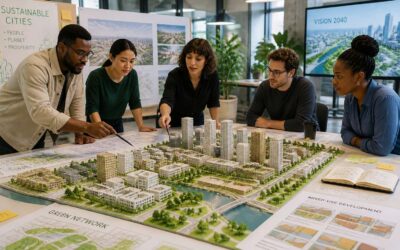
As the sun casts long shadows over the sprawling landscape of Kwinana, the city eyes the horizon where dreams of sustainable expansion take form. Future planning within the City of Kwinana Town Planning Scheme No 2 is a symphony of strategic foresight and meticulous design, ensuring that urban growth harmonizes with nature’s gentle rhythm. The ambitious strategic growth plans aim to transform Kwinana into a vibrant hub of innovation, community, and ecological resilience.
Guided by a visionary blueprint, the city envisions a future where infrastructure blooms in tandem with population growth, weaving new corridors of connectivity while safeguarding green spaces. This intricate dance involves creative urban expansion that balances commercial vitality with tranquil residential sanctuaries. To realize this vision, the city of Kwinana town planning scheme no 2 continually evolves through periodic amendments, embracing emerging needs and sustainable principles.
- Enhancing transport networks to accommodate increased mobility and reduce congestion.
- Expanding recreational and conservation zones to preserve the region’s natural heritage.
- Implementing advanced infrastructure to support eco-friendly developments and smart technology integration.
Magnificently, the future of Kwinana’s urban landscape is designed not just for today but with an eye on generations to come—each amendment and growth plan infused with a commitment to sustainable harmony and community well-being. The strategic growth plans act as the guiding stars in this ongoing journey, illuminating pathways for a flourishing, resilient cityscape.
Amendment Procedures – How TPS No 2 is updated or revised
The evolution of the city of Kwinana town planning scheme no 2 is a testament to proactive, future-oriented urban governance. As cities grow increasingly complex, the need for a flexible yet robust framework becomes paramount. Amendment procedures are the heartbeat of this dynamic process—allowing the scheme to adapt precisely to emerging growth patterns and environmental considerations.
Amending TPS no 2 involves a meticulous process designed to balance stakeholder interests with sustainability. Local authorities initiate proposals based on strategic assessments, community feedback, or changing land use demands. These proposals undergo rigorous evaluation stages, often involving public consultation and environmental impact assessments, ensuring that each amendment maintains harmony with the city’s long-term vision.
Typically, amendments might proceed via:
- Submission of a formal proposal to the city’s planning department
- Community consultation periods to gather stakeholder feedback
- Review and refinement aligned with environmental and developmental goals
Once approved, the amendments are officially gazetted, transforming the landscape of Kwinana’s urban fabric. This structured yet adaptable approach ensures the city of Kwinana town planning scheme no 2 remains a living document—one capable of guiding the city’s miraculous growth while safeguarding natural heritage and community values.
Stakeholder Participation – Community and government roles in planning decisions
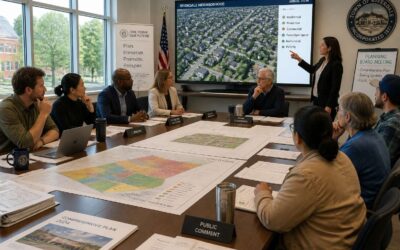
The future of urban development in the city of Kwinana hinges on an often-underappreciated hero: stakeholder participation. This lively dance between community members and government officials ensures that every new building, park, or road aligns with both local needs and sustainability goals. With the city of Kwinana town planning scheme no 2 acting as a blueprint, this collaborative approach keeps progress both pragmatic and inclusive.
Both parties bring valuable perspectives—residents offer insights rooted in their daily lives, while government planners balance those voices with broader regional visions. This dialogue often takes the form of public forums, workshops, or consultations, during which stakeholder feedback shapes the evolution of the scheme itself. It’s this participatory process that transforms complex zoning laws into a tapestry of community-approved urban planning decisions.
In reflecting the dynamic growth pattern of Kwinana, engagement doesn’t stop at mere conversation. It involves:
- Submitting detailed proposals for zoning amendments.
- Welcoming public comments during consultation periods.
- Considering environmental and infrastructural impacts before final approval.
Through these steps, the city of Kwinana town planning scheme no 2 remains a living document—an adaptable framework that respects community values while steering the city towards sustainable expansion. This harmonious balancing act deserves applause, as it underscores a city eager to grow without sacrificing its natural charm or social fabric.
Smart City Initiatives – Innovation and technology in City of Kwinana’s development
The future of urban development in the City of Kwinana envisions a landscape where innovation and technology are seamlessly integrated into everyday life. With the city embracing smart city initiatives, the city of Kwinana town planning scheme no 2 becomes a vital blueprint—paving the way for a sustainable, high-tech metropolis. Cutting-edge infrastructure, such as intelligent traffic management, renewable energy systems, and digital connectivity hubs, is incorporated to ensure growth is both responsible and resilient.
Strategic amendments to the scheme are driven by a forward-looking mindset, fostering an environment where technological advancements directly inform planning decisions. This adaptability allows Kwinana to respond swiftly to emerging innovations, ensuring that new developments not only meet current needs but also anticipate future demands. The integration of smart city principles within the city of Kwinana town planning scheme no 2 underscores a commitment to forging a dynamic, interconnected urban ecosystem.
To realize these ambitions, the city employs a structured yet flexible process for amendments, including public consultations and technological impact assessments. As a result, Kwinana’s growth strategy becomes a living document—one that evolves with the advent of new technologies and the shifting aspirations of its community members. This progressive approach transforms urban planning into a tableau of innovation—where every street and public space whispers the promise of a smarter future.

0 Comments