Foundations of urban planning imagery
Understanding urban design visuals
“Cities have the capability of providing something for everybody, only because they are created by everybody.” Jane Jacobs’ words echo through every frame of town planning pictures, especially here in South Africa, where streets carry stories. These images map who moves, rests, and gathers in public life.
Foundations of urban planning imagery lie in simple contrasts: color and shadow indicate zoning; lines and blocks reveal how people flow; scale hints at accessibility for grandparents and schoolkids alike. Consider these elements when you capture city life:
- human-scale streets and walkways
- transit-oriented cores and pedestrian bridges
- green spaces that invite linger and play
- mixed-use massing and visible public life
Understanding urban design visuals through town planning pictures makes planning visuals more approachable for readers and clients. The imagery breathes life into policy, turning dry data into shared stories that reflect the daily rhythms of South African towns!
Key photography styles for planners
Foundations of urban planning imagery are built on how light, color and composition tell the story of space. In South Africa, town planning pictures frame daily life in streets, markets, and transit hubs with honesty and clarity. The camera can map public life without jargon.
- human-scale perspectives that invite viewer participation
- sequence shots that reveal movement patterns—pedestrian lanes and crosswalks
- texture and color cues that hint at zoning transitions and land use
For planners, photography styles evolve into a practical toolkit: documentary frames, stylized silhouettes at dusk, and macro details that reveal materiality. This approach makes town planning pictures accessible to clients and readers while preserving the complexity of urban life in South Africa.
Ethics and permissions in planning photography
Urban streets tell policy stories in blunt truth. A recent survey suggests 68% of urban planning clients say visuals shape project briefs more than text. Foundations of urban planning imagery rely on honest light, deliberate color, and clean composition that map space without jargon. In South Africa, town planning pictures frame daily life in markets, transit hubs, and sidewalks with clarity, inviting viewers to step into the scene.
Ethics touchpoints include:
- Obtain clear consent when individuals are identifiable in shots.
- Secure permits for location shoots and drone use where required.
- Respect property rights, signage, and private spaces; avoid sensitive sites.
Ethics also cover rights and archives. Secure model releases for commercial use, log location data, and keep a tidy archive with dates. When these images reach clients or readers, this discipline protects trust and keeps urban stories open to future planning.
Color theory and composition for civic imagery
With 68% of urban planning clients saying visuals shape briefs more than text, the lens must tell the story. Foundations of urban planning imagery are built on honest light, deliberate color, and clean composition. For town planning pictures, the frame maps space without jargon, letting streets breathe and markets hum, even as shadows move with the sun across South African sidewalks.
Color theory acts like a compass here: warm hues reveal human rhythms, cool tones calm traffic narratives, and controlled saturation keeps scenes legible at a glance. In fast-growing cities, this balance guides readers through density, transit, and public life with clarity.
Composition basics keep the eye unstressed: leading lines, aligned horizons, and deliberate framing echo the civic scale of a neighborhood street.
- Temperature and atmosphere align with the scene’s time of day
- Leading lines draw viewers toward civic landmarks
- Contextual details—signage, markets, transit—anchor the shot
Capturing places and spaces in urban planning
Public spaces and pedestrian networks visuals
In South Africa’s skylight-brushed streets, 60% of daily life unfolds in public spaces. That’s the pulse behind town planning pictures—the frame that translates a city’s ambition into a tangible map of possibility.
Capturing places and spaces in urban planning is more than architecture; it’s choreography. I watch public spaces and pedestrian networks breathe as plazas greet trams, shade and paving frame markets, and families drift between destinations! The camera becomes a compass for planners seeking legible, humane streetscapes in South Africa’s evolving mosaic.
- Vistas that reveal connectivity: plazas, promenades, and transit hubs
- Texture and shade: canopies, paving, and seating that invite lingering
- People in motion: dusk silhouettes, market bustle, and everyday rituals
These visuals are not about perfection but intention—lighting, rhythm, and human scale tell a story of possibility. When we present town planning pictures, the audience sees spaces, the social life they cradle, and the paths ahead.
Transport corridors and city connectivity imagery
Transport corridors are the city’s circulatory system, and in South Africa a well-placed bus lane can feel like a lifeline. I’ve seen streets where transit nodes swing 30–40% more people through the day when routes read clearly. That punchy reality sits at the core of urban storytelling through imagery.
Capturing places and spaces in urban planning is timing and texture. Transport corridors and city connectivity imagery reveal how people actually move—paths, shade, shelter, sightlines. town planning pictures turn that motion into a storyboard of neighborhoods at every intersection.
- Transit hubs and platforms bathed in morning light
- Arterial corridors stitching neighborhoods with legible routes
- Edges where markets, libraries, and bus stops share rhythms
These visuals don’t chase perfection; they chase intention—movement, meaning, and the routes that guide cities toward brighter walks.
Historic districts and preservation visuals
In Cape Town, preserved historic streets can lift foot traffic by up to 12% a year, turning memory into living movement. Capturing places and spaces in urban planning becomes a way to test how preservation shapes everyday walks—these town planning pictures lay that link bare.
Historic districts and preservation visuals reveal how brickwork, shade, and sightlines carry meaning through time. The approach reads both façades and the spaces they frame, showing that heritage can host present uses without erasing character.
- Heritage facades that tell a building’s past
- Adaptive reuse of warehouses and markets
- Public realms around preserved nodes
- Human-scale signage and wayfinding
These town planning pictures turn memory into a guide for policy and practice, reminding planners that history remains a living reference, not a dusty backdrop.
Green infrastructure and climate resilience images
“What we photograph becomes policy,” a seasoned planner likes to say. In South Africa’s cities, images of streets we capture can steer funding, shade, and public life. Capturing places and spaces in urban planning through green infrastructure and climate resilience visuals reframes risk as design opportunity.
These town planning pictures show how climate-smart networks knit communities together. They reveal the spaces where shade, water, and permeability calm heat and flood risk.
- Green roofs and walls
- Rain gardens and bioswales
- Permeable pavements and street runoff channels
- Tree canopies and shaded corridors
- Water-sensitive urban design features
In practice, planners read the images to test policy without disrupting daily life. In town planning pictures, you can trace accessibility, resilience, and equity across blocks, from schools to markets, across Cape Town and Johannesburg.
The result is a more legible blueprint for climate resilience integrated into urban form.
Community-led development visuals
In South Africa’s urban landscapes, a single frame can steer a city’s future. “What we photograph becomes policy,” a sage planner reminds us, and the camera becomes a listening post for residents in Cape Town and Johannesburg alike.
Capturing places and spaces through community-led development visuals reveals everyday resilience—markets, courtyards, school routes, and shared shade. These town planning pictures turn ordinary blocks into a storyboard where locals imagine safer, more inclusive growth. I’ve seen how a single image can open doors at a budget meeting, turning hearings into conversations rather than debates!
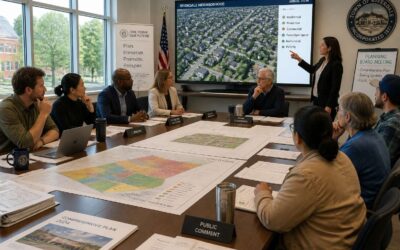
- Neighborhood meeting spaces that become everyday gathering places
- Shade and shelter along routes to schools and clinics
- Markets and transit nodes designed by residents
- Public spaces that reflect local culture and memory
When planners study these images, they trace equity and access across neighborhoods, crafting a climate-resilient urban form that feels inevitable to those who live there.
Technical craft for urban planning visuals
Camera techniques for scale and context
Cities are a chorus of lines, and town planning pictures capture the moment when policy meets pavement. “Cities are poems you can walk,” one elder planner whispered, and every frame proves the line. Technical craft threads meaning through steel, brick, and breeze.
Technical craft for urban planning visuals must marry clarity with poetry. Subtle contrast, purposeful framing, and a sense of horizon wire the eye to scale and context.
- Wide perspectives reveal street webs and reach
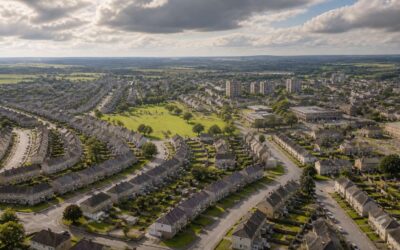
- Elevated viewpoints convey density, parks, and transit links
- Soft light and deliberate shadows underscore human scale
These choices—camera, angle, moment—transform everyday blocks into a narrative readers in South Africa will recognize as their own. The result, a series that speaks without shouting.
Lenses, angles and composition for urban subjects
Cities in South Africa are visual arguments. A recent urban briefing found that 72% of decision-makers respond to visuals more than pages of numbers. When you look at town planning pictures, policy shifts from abstract to tangible, almost whispered into reality.
Technical craft for urban visuals blends clarity with poetry. Lenses decide what the eye reads; angles shape composition and relationships between street, skyline, and people. Wide lenses reveal street webs; mid-range angles give human scale; carefully controlled light underlines texture and motion.
town planning pictures carry that rhythm from draft to daylight, turning blocks into conversations readers recognise as their own. It’s not just about photography; it’s about giving policy a face and a pace that communities can read on the move.
Lighting in urban environments
A single frame tilts a policy debate—72% of decision-makers respond to visuals more than pages of numbers. In town planning pictures, lighting is the language that turns maps into daylight, zoning into sidewalks, and debate into motion.
Lighting in urban environments is crafted with care: a balance of sun, shade, and artificial glow reveals texture—the brick, concrete, and glass; the bustle of pedestrians. The photographer guides the eye along streets toward the skyline.
- dawn hush with warm, low-contrast tones
- midday clarity with neutral whites and strong edges
- evening drama with amber halos and long shadows
In South Africa’s cities, these visuals carry a rhythmic thread from draft to daylight, giving policy a face communities can read on the move.
Post-processing for planning visuals
72% of decision-makers respond to visuals more than pages of numbers. In town planning pictures, post-processing sharpens evidence, turning raw grids into legible arguments and daylight into policy momentum.
Technical craft focuses on balancing exposure, preserving texture of brick and concrete, and keeping scale readable even as you dodge glare. I watch for edge clarity in silhouettes, accurate color rendition from dawn to dusk, and subtle tonal shifts that separate zoning lines from surrounding streets. In South Africa’s cities, where light can swing quickly, careful post-processing keeps maps legible on mobile screens and in crowded council rooms.
That clarity travels beyond portfolios to council briefings, where disciplined editing keeps proposals legible and persuasive.
SEO and audience strategy for planning imagery
Keyword research and topic clusters for planning visuals
Images win first impressions, and town planning pictures win entire narratives. A sharp visual strategy can turn a scrolling skim into substantive engagement, which nudges search engines to notice relevance faster than a councillor signs off on a budget. For South Africa’s towns, visuals shaped for local scale and nuance land the message with punch.
Audiences speak in intent, not noise. Do keyword research to map what readers search for about streets, public spaces, and planning outcomes, then cluster those terms into visual themes.
- Audience personas aligned with local governance
- Seed keywords mapped to visuals
- Topic clusters for planning narratives
- Consistent visual cadence across topics
Structure imagery for SEO with readable alt text and captions that tell a story. When these visuals appear alongside relevant content in South Africa, readers linger and trust grows—no fireworks, just good civic storytelling.
On-page optimization: image alt text and file naming
Visuals cut scroll-time by up to 50%, turning glances into engagement. In town planning pictures, a sharp image strategy turns a scrolling feed into a civic conversation, especially in South Africa’s towns where streets and public spaces demand local nuance.
Audience strategy begins with local governance personas and seed keywords mapped to visuals, then clusters that narrate planning outcomes. A consistent visual cadence across topics helps readers stay with the story and not drift into noise.
- Alt text that describes the scene and planning intent, weaving in context for accessibility and discovery.
- Descriptive file naming that captures locale and subject in plain language, making images easy for search engines to index.
- Captions that extend the narrative, tying image content to the article text and bolstering reader understanding.
These on-page elements keep town planning pictures discoverable and meaningful, inviting readers to linger where maps meet memory and policy meets place.
Image sizing and performance for mobile readers
Visuals cut scroll-time by up to 50%—a punchy payoff you can measure. In South Africa’s towns, town planning pictures become a civic conversation, where street corners, public spaces, and local nuance move from background to front page. Audiences linger where the map meets memory.
Strategy focuses on who reads the piece in place: local governance voices and seed terms woven into visuals, then clusters that tell planning outcomes. A steady visual cadence across topics keeps readers with the story and guards against noise!
Device-ready design matters for mobile readers; when images scale smoothly, compression stays transparent, and pages load fast, the map stays legible.
These choices anchor SEO and reader intent in a living city—maps meet memory and policy meets place, right here in South Africa.
Using case studies and galleries to boost engagement
Pictures aren’t garnish; they’re architectural arguments. In case studies, town planning pictures connect street corners to policy outcomes, turning sidewalks into chapters and maps into memory. One study notes a 28% rise in time-on-page when galleries pair visuals with real-world results—proof that visuals punch above their pixel weight.
Strategy centers on place-based readers: local governance voices, seed terms woven into visuals, and clusters that narrate planning outcomes. A steady visual cadence keeps readers with the story and moves slow-moving precincts toward action.
- Showcase precinct case studies with clear ‘before/after’ visuals
- Group galleries by outcome: housing, transport, public space
Across South Africa’s towns, galleries become a civic conversation where policy meets place—if the visuals show credible case studies, engagement follows and the map takes on memory.
Platform formatting and rights management for planning pictures
Social media ready urban planning visuals
In a world where a single well-formatted image can decide a project’s fate, platform readiness is king. Decision-makers skim briefs 63% faster when visuals are square, crisp, and mobile-friendly. That’s the power of town planning pictures.
Platform formatting and rights management aren’t afterthoughts; they’re scaffolding for social feeds and council dashboards. Use web-friendly formats (JPEG/PNG, WEBP) and keep color in sRGB. Maintain a simple rights ledger—licenses, attribution rules, and proof of usage. In South Africa, secure permissions for images with people and branded content.
- Licenses that match usage (creative commons, single-use, or full rights)
- Clear attribution rules and caption credits you can audit
- Non-intrusive branding and a record of permissions
Done right, town planning pictures become social-ready assets—shareable, compliant, and easy to reuse.
Print-ready diagrams and reports
For town planning pictures, platform readiness is king. A single, well-formatted image can accelerate approvals and win hearts across screens. Export in JPEG, PNG, or WEBP, keep colors in sRGB, and tailor square, landscape, or portrait layouts for social feeds and print-ready diagrams alike.
Licenses that match usage, clear attribution rules, and a proof-of-usage ledger are the scaffolding that keeps visuals reusable and compliant.
- Licenses that match usage (creative commons, single-use, or full rights)
- Clear attribution rules and caption credits you can audit
- Non-intrusive branding and a record of permissions
In South Africa, secure permissions for images with people and branded content to ensure council dashboards stay credible and navigable. Done right, this discipline makes town planning pictures travel smoothly from planning room to public gallery.
Interactive maps and web galleries
Platform readiness is king in town planning pictures. A single, well-formatted image can speed approvals and win hearts across screens. Export in JPEG, PNG, or WEBP, keep colors in sRGB, and tailor square, landscape, or portrait layouts for social feeds and print-ready diagrams alike. When visuals align with the platform, collaboration flows.
- Licensing matched to usage: Creative Commons, single-use, or full rights
- Clear attribution and caption credits you can audit
- Non-intrusive branding plus a permissions ledger
In South Africa, securing permissions for images featuring people and branded content keeps council dashboards credible and navigable. Done well, these visuals travel smoothly from planning room to public gallery.
Licensing, attribution, and reuse best practices
In a city that can rise or crumble on a single frame, town planning pictures guide the cursor of progress with eerie certainty. A municipal study finds visuals accelerate approvals by up to 40% when formats breathe. Export in JPEG, PNG, or WEBP; keep colors in sRGB; tailor square, landscape, or portrait layouts for feeds. When visuals align with the platform, collaboration flows!
- Licensing options: Creative Commons, single-use, or full rights
- Attribution and caption credits you can audit
- Non-intrusive branding and a permissions ledger
In South Africa, securing permissions for images featuring people and branded content keeps council dashboards credible and navigable.


0 Comments