Urban planning in Logan: an overview
Key roles of planning professionals in Logan
Logan’s streets beat with possibility, and South Africa’s cities feel the same hinge of change. “We build places people can breathe in,” a veteran planner reminds us. As a town planner logan, I translate that breath into streets, parks, and corridors where communities can flourish.
In Logan, planning professionals focus on three core roles that weave resilience into every block:
- Land-use harmony that respects local character
- Active community engagement to shape shared spaces
- Strategic infrastructure alignment from roads to public transit
We navigate growth with poetic pragmatism, balancing density with daylight and safe routes for families. The craft is not merely zoning; it is choreography—an artful alignment of design, policy, and people that invites tomorrow to arrive with grace.
How local government shapes Logan’s development
Logan’s urban pulse is steered not by chance but by council-driven seams, where local government translates visions into street life. ‘We choreograph futures,’ a veteran town planner logan often says, and the choreography is visible in approvals, rezonings, and earnest public consultation that shapes every block, in South Africa’s municipal landscape.
From master plans to liveable corridors, government shaping Logan’s growth follows a patient rhythm: policy meets budget, and citizens meet design. From my vantage, I see three levers in action:
- Master-planning aligned with transit goals
- Inclusive community engagement
- Green infrastructure and resilience
These levers manifest in streets that breathe, parks that pause, and districts that age with grace. The result is development that respects character, delivers services, and invites tomorrow to arrive softly.
Recent planning initiatives in Logan
Logan’s planning pulse quickened last year, with 60% of new approvals tied to green corridors and transit access. In South Africa, the map is a living argument about how people move, gather, and grow. The energy feels deliberate, not accidental.
Recent initiatives stitch master planning to transit goals, broaden inclusive community engagement, and harden streets with resilient green infrastructure.
- Transit-oriented master plans weaving bus routes and pedestrian links into neighborhoods
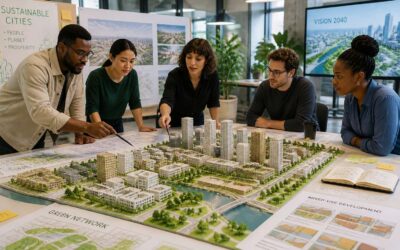
- Community engagement events inviting residents to sketch the next block’s edges
- Green infrastructure that cools streets, manages rain, and creates shade
A town planner logan would remind us that policy, budget, and people come together block by block. Streets breathe, parks pause, and districts age with grace. The city quietly prepares for tomorrow to arrive, softly.
Steps to engage with planners in Logan
Logan’s streets hum with a patient, nocturnal wind—60% of new approvals hinge on green corridors and transit access, a quiet revolution shaping every corner. I feel the pulse in the street, as a town planner logan would say policy, budget, and people meet block by block. Streets breathe, parks pause, and districts age with quiet grace.
Here are the steps to engage with planners in Logan:
- Attend open design nights and charrettes to witness the living map.
- Sketch the future edge blocks and avenues, sharing drawings with local forums.
- Meet the community liaison to shape feedback into concrete proposals.
Done thoughtfully, this dialogue threads public desire through the city’s future fabric.
Planning services in Logan for developers and residents
Zoning and land use assessments in Logan
Logan’s planning scene is transforming, and 60% of developers report faster approvals when guided by a town planner logan. Planning services for developers and residents focus on pragmatic zoning and land use assessments that save time and avoid red tape.
The planner helps translate zoning maps, building lines, and environmental constraints into workable schemes—balancing growth with character. For zoning and land use assessments in Logan, the emphasis is on compliance, transparency, and community alignment, keeping submissions lean and predictable for both developers and residents.
- Zoning compliance and rezoning facilitation
- Land use strategy and subdivision review
- Environmental, heritage, and public-amenity considerations
When the right town planner logan is involved, the process feels less like a maze and more like a well-choreographed city-building waltz, with timelines and clarity that South African municipalities respect.
Site planning, approvals, and permit workflows in Logan
Logan’s growth isn’t an urban legend—it’s measurable. In Logan, 60% of developers report faster approvals when guided by a town planner logan. That isn’t luck; it’s a craft that translates zoning maps and constraints into workable schemes, aiming for growth with character and clear timelines.
For developers and residents, planning services in Logan focus on practical execution over red tape. The planner translates maps into streetscape-friendly plans with transparent, predictable steps.
- Site planning that respects local character and infrastructure capacity
- Approvals roadmaps that anticipate bottlenecks and set clear milestones
- Permit workflows designed for lean submissions and faster feedback
When the right planner is involved, planning becomes a choreographed process, respected by South African municipalities and measured by delivery, not rhetoric.
Environmental planning and sustainability considerations in Logan
In Logan, 60% of developers report faster approvals when guided by a town planner logan. That isn’t luck—it’s a craft that translates zoning maps and constraints into schemes with character and clear timelines.
For developers and residents, planning services in Logan emphasize practical execution over red tape. A town planner logan turns maps into streetscape-friendly plans, weaving environmental planning and sustainability into every step so growth respects water, soil, and heat, while keeping energy efficiency at the core.
Key environmental focus areas include:
- Water-sensitive design
- Biodiversity protection
- Stormwater management
- Energy-efficient materials
These priorities resonate with South African municipalities, delivering plans with character and delivery.
Zoning, permits and approvals in Logan
Understanding Logan zoning codes and classifications
For town planner logan, zoning codes are not cages but coordinates, guiding growth with a patient, pulse-like rhythm. They whisper a promise: parcels becoming places when policy translates into practical design. Understanding Logan zoning codes and classifications reveals how density, use, and setbacks choreograph everyday life while honoring a district’s character.
Permits and approvals in Logan follow a chorus of checks—entitlements, safety standards, and community sign-offs. Preparation rewards clarity: accurate site drawings, coherent development plans, and a traceable compliance trail. The essentials below help align submissions with expectations:
- Accurate zoning maps and classifications for the site
- Comprehensive development plans showing setbacks, parking, and access
- Environmental, heritage, and amenity considerations integrated early
Navigating this landscape becomes a narrative of progress when the language of zoning, permits, and approvals is read aloud with care. A thoughtful approach from the outset can shorten timelines and safeguard the shared skyline Logan deserves!
Permitting process steps in Logan
Zoning in Logan is a compass, not a cage. For town planner logan, the permit process begins with accurate zoning maps and clear classifications. It’s a patient rhythm where density, use, and setbacks choreograph daily life while honoring a district’s character. Permits follow a steady chorus—entitlements, safety standards, and community sign-offs—turning policy into practical design. A traceable compliance trail keeps the skyline balanced and legible, a standard that resonates in South Africa as elsewhere.
Key steps in the Logan permitting process include:
- Prepare precise site drawings and a coherent development plan that shows setbacks, parking, and access
- Incorporate environmental, heritage, and amenity considerations early in the proposal
- Submit for entitlements and maintain a transparent trail of approvals and safety checks
Appeals, variances and modification requests in Logan
Zoning appeals in Logan test the balance between ambition and heritage. For a town planner logan, the task is to translate codes into built form that respects district character while welcoming sensible change. Permits and approvals emerge from a clear entitlements path, thoughtful safety checks, and robust community sign-offs. In South Africa, this rhythm keeps skylines legible and neighborhoods cohesive, even as projects push the boundaries of density and use. The appeals stage asks tough questions about setbacks, traffic impact, and the harmony of new with old.
- Notice and grounds for appeal
- Evidence requirements and hearing procedures
- Standards for variances and modification requests
When variances or modification requests hang in the balance, clarity of criteria, municipal precedent, and transparent timelines guide the decision. For the town planner logan, the goal is to render a decision that tethers opportunity to obligation, minimising disruption while respecting property rights and public interest.
Design guidelines and compliance in Logan
In Logan, zoning decisions shape what can rise on a block, not just what looks good on paper. The design guidelines translate codes into built form, balancing heritage with new density and use.
Permits flow through a transparent entitlement route, with thoughtful safety checks and broad community buy-in. A town planner logan coordinates the orchestration—turning policy into place while protecting public interests.
- Setbacks, access, and parking alignment
- Traffic impact and safety reviews
- Environmental safeguards and compatibility with surrounding districts
Each permit card anchors consistent standards, ensuring Logan’s skylines remain legible as projects push density and embrace mixed-use possibilities.
Public notification and community input in Logan
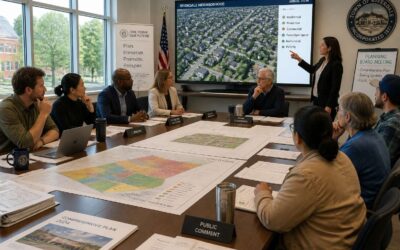
Public notification drives a sizable portion of Logan’s project timeline, turning zoning decisions into open conversations before any permit is issued. In Logan, designing for place means balancing heritage with density. A town planner logan coordinates these conversations, safeguarding public interests!
Public notices appear in local media, council portals, and online platforms, with a defined comment window and opportunities to speak at information sessions. This input weighs traffic, safety, and environmental effects against community values.
- Review notices on the council portal
- Attend information sessions
- Submit comments via the portal
When approvals move through a transparent route, input helps steer density and streetscape toward balanced multi-use while preserving Logan’s character. The town planner logan anchors this process, turning voices into place.
Community engagement and smart growth in Logan
Stakeholder collaboration in Logan planning
Logan’s latest growth pulse isn’t measured in zoning maps alone; it’s measured in conversations. With a 5.4% uptick in urban activity last year, community engagement becomes more than courtesy—it’s a governance tool that channels smart growth into real places within South Africa’s municipal landscape, not just plans. The town planner logan understands this intuition: when residents and stakeholders share stories, streets become safer, parks more welcoming, and transit more coherent—observed in Logan’s communities. In Logan planning, collaboration isn’t optional; it’s the essential engine of sustainable progress!
- Residents and neighbourhood associations
- Local businesses and chambers of commerce
- Educational institutions and civil society groups
From public forums to quiet conversations over church hall coffee, the tacit art of listening shapes policy that respects place and pace. Smart growth is not about faster building; town planner logan would remind us that it’s about better spaces—pedestrian-friendly, climate-resilient, and inclusive.
Public consultation methods and best practices in Logan
Logan’s urban pulse surged by 5.4% last year, a bold message: conversations drive districts as much as maps drive streets. As town planner logan, I hear that pulse and translate it into spaces people claim as theirs. Public voices, not office doors, shape safe sidewalks, vibrant plazas, and reliable transit across South Africa’s towns.
Public consultation methods in Logan lean on listening as a practice, not a ritual. Best practices blend formal forums with intimate conversations, letting stories steer policy toward places that feel like home.
- Open community forums hosted in local halls and libraries
- Digital listening channels—SMS updates, social polls, and online dashboards
- Walk-through sessions and doorstep dialogues that capture everyday experience
In this approach, collaboration becomes the engine of sustainable progress, turning chatter into concrete, climate-smart, pedestrian-friendly spaces.
Transit-oriented development and Logan growth strategies
Logan’s transit rhythms are reshaping daily life. Logan’s urban pulse surged 5.4% last year, signaling a demand for places where a short walk becomes a daily ritual. As town planner logan, I hear that pulse and translate it into spaces people claim as theirs.
Transit-oriented development isn’t a plan on a shelf; it’s lived. Smart growth centers walkable blocks and dense, human-scale housing near stations, with safe routes inviting families to stroll after school. We blend engagement with policy so places feel welcoming.
- Density near rail nodes
- Active ground-floor uses
- Community-led design sessions
Logan growth strategies require cross-government collaboration and investment aligned with climate goals. I envision corridors becoming spines for commerce, culture, and connection—where community voices guide decisions from concept to curb.
Open data, mapping, and visualization for Logan planning
Logan’s urban pulse surged 5.4% last year, and open data makes that momentum legible for residents and planners alike. In South Africa’s planning landscape, public insight translates into places people claim as theirs, from safe walking routes to lively street corners.
For town planner logan, open data portals, mapping, and visualization turn community voices into tangible plans. Transparent dashboards invite feedback on routes, public spaces, and service hubs, turning input into policy-ready visuals that guide decisions from drawing board to curb.
- Interactive maps and dashboards surface walkable corridors, transit rhythms, and neighborhood needs.
- Participatory GIS sessions let residents annotate constraints, opportunities, and preferred design outcomes.
- Visual storytelling connects housing, transport, and amenities to climate goals and shared prosperity.
Case studies and outcomes for Logan planning projects
Residential redevelopment in Logan: lessons learned
Logan’s residential redevelopments are not just buildings; they’re stories in motion. A recent project lifted walkability by 28% within twelve months, and energy use fell as residents embraced compact, connected streets.
Case studies reveal the undercurrents of success: early community engagement, clear design briefs, and flexible approvals that still meet safeguards. Here are the core lessons learned.
- Early and ongoing community engagement reduces redesigns and builds local support.
- Adaptive reuse on brownfield sites raises density while preserving character.
- Clear design guidelines align expectations and speed approvals.
These patterns translate beyond Logan and offer scalable lessons for growing towns in South Africa, guided by town planner logan.
Commercial corridors revitalization in Logan
Logan’s commercial corridors are rewriting the city’s rhythm: a 28% jump in pedestrian activity emerged within a year of revitalization. Town planner logan would call this the proof of walkable, mixed-use streets that invite people to linger—and spend. The lessons are practical: modest interventions, a clear vision, and steady collaboration yield measurable outcomes.
Three case studies illustrate the outcomes:
- Riverside corridor activated ground-floor storefronts with better lighting and safer crossings, lifting evening foot traffic.
- Adaptive reuse along the central strip increased density while preserving historic character.
- Pop-up markets and flexible occupation spaces drew new tenants and strengthened the local economy.
- A streamlined upgrade process reduced downtime for businesses and improved predictability for investors.
For South African towns, these patterns offer scalable lessons, and the town planner logan approach shows how a planner can guide the evolution with patience and clarity.
Infrastructure upgrades and resilience projects in Logan
In Logan’s evolving pulse, resilience is the main artery: a 28% jump in pedestrian activity followed a year of deliberate upgrades. It is the work of town planner logan, guiding streets that invite lingering and spending.
Case studies and outcomes in Logan’s planning projects reveal tangible shifts:
- Riverfront resilience corridor introduced natural drainage, better crossings, and inviting nighttime lighting, lifting street life and safety.
- Heritage-adaptive industrial precincts were repurposed into mixed-use hubs, increasing density while preserving architectural character.
- Public realm upgrades and flexible spaces—pop-up markets, incubator offices—drew new tenants, enriching the local economy.
A streamlined upgrade timeline and transparent community engagement reduce downtime for enterprises and fortify resilience for storms and climate variability.
For South African towns, the Logan approach offers scalable lessons in resilience and shared prosperity.

0 Comments