Overview of town planning in Queensland
What town planning encompasses in Queensland
Planning is the quiet engine behind every town’s heartbeat, and in Queensland that heartbeat is steered by thoughtful design and policy. For South African readers, the idea translates into resilient neighborhoods, efficient transport, and places that invite wonder—guided by a town planner queensland.
Overview of what planning encompasses in Queensland: policy, zoning, and the choreography of growth. It blends environmental stewardship with social aims to shape places where people live, work, and play. In Queensland, this means clear master plans, accessible public spaces, and well-timed infrastructure.
- Zoning and land-use controls
- Master planning and development guidelines
- Infrastructure sequencing and public realm design
Planning decisions balance short-term needs with long-term resilience, ensuring water, energy, and transport networks grow in harmony with communities. The result is legible streets, vibrant town cores, and sustainable expansion that respects heritage and ecology.
Key agencies and regulatory bodies shaping planning policy in Queensland
Growth in Queensland isn’t driven by flashy signboards; it’s choreographed by policy, law and careful design. For a town planner queensland, policy is the quiet architect of daily life, shaping where people live, work, and move. State rules, planning acts, and local schemes set the tempo for development.
Key players bend the frame of planning policy to fit place, scale, and ecology. A compact set of agencies and regulations guides decisions from concept to city edge.
- DSDILGP and Planning Act 2016
- State Planning Policy and regional plans
- Local councils and planning schemes
These bodies stitch together master plans with infrastructure sequencing, ensuring growth respects heritage and the environment while keeping communities legible and connected.
Typical planning processes and timelines for Queensland developments
In Queensland, policy is the quiet architect of growth, shaping where people live, work, and move. A seasoned town planner queensland might say: “Policy writes the streets before the shovel hits soil.” This overview reveals how planning guides daily life without the pomp of signboards, stitching heritage, ecology, and community needs into a coherent map.
From concept to construction, planning in Queensland follows a measured dance. It typically begins with site appraisal, feasibility checks, and early consultation, then moves through development assessment, public notification, and final approvals.
- Concept and site appraisal
- Feasibility and initial design
- Development Application and assessment
- Public notification and conditions
- Infrastructure sequencing and final approvals
This choreography sits alongside State Planning Policy, regional plans, and local schemes to ensure growth remains legible, balanced, and connected to place.
Glossary of common planning terms used in Queensland
“Policy writes the streets before the shovel hits soil,” and in Queensland that handwriting is everywhere. The town planner queensland interprets that script daily, translating policy into streets, schools, and open spaces. It’s not pomp; it’s practical poetry—an urban map that makes growth legible and places people before paperwork.
From State Planning Policy to Local Planning Scheme, glossary terms buzz just beneath the surface of every approval.
- State Planning Policy (SPP)
- Local Planning Scheme
- Development Application (DA)
- Public Notification
- Infrastructure sequencing
This vocabulary keeps projects on track, ensuring heritage, ecology, and community needs align without theatrical signage. For readers in South Africa, the cadence resembles civic planning elsewhere—policy guiding everyday life rather than grand gestures.
Roles and career paths in Queensland planning
Core responsibilities in Queensland planning
"In Queensland, a plan is a promise kept," quips a veteran planner. Roles in this field scale from graduates to policy chiefs, and the work of a town planner queensland spans both ideas and streets. Core responsibilities include shaping policy, evaluating proposals, conducting site analysis, coordinating with agencies, and guiding public engagement toward outcomes that balance growth with livability.
- Graduate Planner
- Development Assessment Officer
- Policy Analyst
- Principal Planner
From there, career paths wind toward project leadership, urban design oversight, or strategic policy advice, with opportunities across councils and private practice. For South African readers, the discipline rewards clarity, diplomacy, and the ability to translate complex rules into workable outcomes.
Required qualifications and skills for Queensland planning roles
Daily activities and typical project types
Great towns don’t happen by accident. They’re planned, and that plan shapes lives, investments, and the pride of a community. In Queensland, town planning careers sit at that crossroads of policy and real-world delivery.
Roles span from junior planner to principal town planner. A typical ladder moves through development assessment, policy work, and strategic planning, with the option to specialise in transport, housing, or environmental planning. For readers in South Africa, the skill set travels well—community engagement, risk assessment, and regulatory navigation are universal.
Daily work centers on coordinating assessments, consulting with stakeholders, and translating briefs into practical master plans. Projects vary from new neighbourhoods to retrofits of aging areas. Typical project types include:
- Residential estates
- Mixed-use developments
- Industrial parks
- Urban renewal projects
Being a town planner queensland means juggling timelines, budgets, and public sentiment. The path rewards curiosity, clear writing, and the diplomacy to align interests across agencies.
Career progression and specializations within Queensland planning
Great towns don’t happen by accident. They’re planned, and the plan shapes lives, investment, and community pride. In Queensland, a town planner queensland sits at the crossroads of policy and delivery, turning briefs into master plans that guide growth and sustain neighborhoods. They map housing, movement, and public space, balancing budgets with public sentiment and long-term expectations.
- Junior planner
- Development assessment officer
- Policy planner
- Senior town planner
- Principal town planner
Career progression follows development assessment, policy work, and strategic planning, with opportunities to specialise in transport, housing, or environmental planning. For readers in South Africa, these skills travel well—the core mix of engagement, risk assessment, and regulatory navigation remains universal, and the role stays grounded in real-world outcomes rather than ideas alone.
Regulatory framework and approvals for Queensland developments
Overview of planning schemes and growth management in Queensland
In the world of town planner queensland, policy moves with patient gravity, turning ambition into streets that breathe. Growth tilts toward sustainability even as night settles on the margins of change. The Planning Act 2016 anchors the process, while state planning policies and local schemes translate intent into the rhythm of blocks, boulevards, and green spaces!
At the heart lie planning schemes—local blueprints that determine density, transport, and open space. Growth management threads through these schemes with corridors, urban renewal, and district plans. Key elements include:
- State planning framework (Planning Act 2016 and State Planning Policy)
- Local planning schemes and development assessment rules
- Growth management areas and SEQ corridor planning
Understanding this framework helps readers in South Africa see how Queensland channels expansion toward enduring places, a quiet, inexorable order guided by a city’s ancient bones.
Approvals process for residential and commercial projects
“Regulatory clarity is growth’s best ally,” a veteran planner once said. In Queensland, the approvals maze begins with the Planning Act 2016, the State Planning Policy, and local planning schemes—the trio that anchors every residential or commercial ambition. For a town planner queensland, the real craft lies in translating intent into a predictable approvals pathway, where timelines and triggers keep development moving while protecting what communities value most.
The journey through approvals is guided by a concrete rhythm: a clear start, a thorough assessment, and a defined end.
- Lodgement of the development application (DA) with the local government, along with plans and assessments.
- Referral to state agencies and public authorities where specialist input is required.
- Formal assessment by the planning authority, often with consultation and response windows.
- Decision, conditions, and the potential for amendment or appeal.
From permit to pavement, compliance follows the rhythm set by local and state rules.
Environmental and heritage considerations in Queensland
Environmental and heritage considerations are not side dishes; they anchor every development. In Queensland, the regulatory frame—under the Planning Act 2016 and the State Planning Policy—maps how projects interact with ecosystems, heritage places, and the living landscape.
The assessment suite commonly touches three core streams:
- Biodiversity and native vegetation management, with impact assessment and offsets
- Waterway protection and koala habitat considerations that trigger specialist input
- Heritage assessment under the Queensland Heritage Act and Aboriginal Cultural Heritage considerations
Viewed through the lens of a town planner queensland, environmental and heritage obligations become a compass for respectful, enduring growth—nurturing communities as much as the economy.
Public consultation and community engagement requirements
Across Queensland, six in ten development proposals hinge on early alignment between regulators and communities. A single, well-timed approval can unlock a city block—and delay can reverberate through a district for years.
Regulatory framework and approvals for Queensland developments are anchored in the Planning Act 2016 and the State Planning Policy, which map how projects touch land, waterways, and living spaces. For the town planner queensland, this framework is a compass guiding respectful, enduring growth.
- Early public notification and opportunities to comment
- Consultation during design and impact assessment
- Clear reporting and appeal rights after decisions
Public consultation and community engagement requirements demand transparency and inclusivity—using meetings, online portals, and accessible summaries to capture diverse voices within statutory timelines.
Impact assessment and exemptions in Queensland planning
Growth in Queensland hinges on timing. Six in ten development proposals succeed when regulators and communities align early, and a single, well-timed approval can unlock an entire city block. For the town planner queensland, momentum begins with a clear rulebook and steady governance.
Regulatory framework and approvals for Queensland developments are anchored in the Planning Act 2016 and the State Planning Policy. They map how projects touch land, waterways, and living spaces, acting as a compass for respectful, enduring growth. For the town planner queensland, these laws translate policy into practical routes.
- Impact assessable development requires a full review and public input.
- Code assessable development follows established codes with streamlined assessment.
- Self-assessable or exempt developments stay under thresholds or fit listed exemptions.
Knowing these rules helps the town planner queensland navigate the approvals landscape with confidence, balancing growth and community interests.
Collaborating with communities, councils, and consultants in Queensland planning
Engaging local councils and planning officers
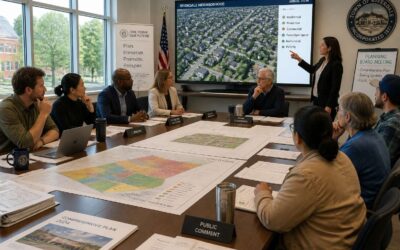
In Queensland, the work of community collaboration is the chorus that shapes streets and skylines. A town planner queensland navigates the currents where residents, councils, and consultants converge, turning voices into thoughtful maps and mutually beneficial outcomes. The craft hinges on listening as much as drafting, on translating diverse hopes into planning outcomes that stand the test of time.
Engagement is not a checkbox but a dialogue that breathes life into every project. Clarity about who speaks for whom, who benefits, who bears costs, reveals the shared responsibility. Then thread together expertise from varied sources. Consider these collaborators:
- Communities and residents
- Councils and planning officers
- Consultants and specialist advisors
When the lines between policy and people blur, the city grows with purpose, and the town planner queensland becomes a conductor of shared futures!
Stakeholder collaboration best practices in Queensland
“Engagement is not a checkbox,” declares a veteran town planner queensland, and the city listens. In Queensland, collaboration is the wind that shapes streets and skylines, turning resident voices into meaningful maps and durable outcomes.
Collaborating with communities, councils, and consultants is not a checklist but a living dialogue that keeps projects alive. Key collaborators include:
- Communities and residents
- Councils and planning officers
- Consultants and specialist advisors
When lines between policy and people blur, planning becomes a shared responsibility rather than a single mandate—an emblem of resilient growth and responsible governance, a pattern that resonates from Queensland to Cape Town.
Incorporating community feedback into development outcomes
In Queensland, collaboration isn’t a ritual; it’s the engine behind streets that breathe and parks that remember the people. Across continents—from Cape Town to Queensland—this is how voices shape places. A seasoned town planner queensland would tell you: listen first, then design, and let communities steer outcomes.
- Communities and residents
- Councils and planning officers
- Consultants and specialist advisors
Feedback from workshops, open houses, and digital channels becomes design moves—short blocks, accessible routes, and respectful heritage treatment—turning resident voices into durable outcomes. In this shared effort, collaboration widens the lens beyond zoning lines and drives development outcomes that feel earned, not imposed.
Choosing and managing planning consultants and advisory services
Collaboration in Queensland isn’t an afterthought; it’s the weather that shapes the forecast. In Queensland, projects with robust community engagement finish ahead of schedule 25% more often. As a town planner queensland, I watch communities, councils, and consultants braid their knowledge into plans that survive the test of time. Voices from workshops and door-open conversations don’t disappear into paperwork; they become the contours of streets and the rhythm of public spaces—recognized even by South Africa’s planners.
- alignment of values and project scope
- local knowledge and heritage sensitivity
- clear governance and ongoing dialogue
In this flow, the role of a planner is less a title and more a conduit for translation—turning conversations into durable streets.
Case studies: successful projects in Queensland planning
Collaboration in Queensland planning isn’t a sidebar—it’s the weather that steadies the forecast. A town planner queensland watches how communities, councils, and consultants braid knowledge into plans that endure. The aim is streets that breathe with local character, not templates that sit on shelves. In projects across the state, open workshops and door-to-door conversations shape the contours of parks, lanes, and gatherings, transmuting talk into durable places, even South African planners take note.
- alignment of values and project scope
- local knowledge and heritage sensitivity
- clear governance and ongoing dialogue
Case studies from Queensland illustrate the payoff. In successful projects, communities, councils, and consultants co-create development outcomes—ephemeral workshops turning into well-used civic spaces and streamlined approvals. The shared sense of ownership keeps timelines honest and budgets realistic, even in the toughest precincts.



0 Comments