Town Planner Career Overview
Understanding the Town Planner Role and Scope
In a country where cities thrum like drums and streets tell stories of possibility, urban futures hinge on the hands that plan them. “If cities are poems, zoning is the meter,” murmurs a veteran planner, and the line lands with truth. This is a compelling job for town planner—where maps become futures and communities gain a voice!
In South Africa, the role blends policy, design, and people. A town planner weighs land-use patterns, drafts zoning strategies, and guides development with sustainability at heart. The scope spans municipal policy, Integrated Development Plans, public participation, and environmental safeguards.
- Assess proposals and growth
- Draft zoning frameworks
- Collaborate with councils and communities
Every project becomes a story of balance—between housing, jobs, green spaces, and heritage. The town planner’s lens turns potential into plan, and plan into place, shaping everyday life across South Africa’s towns and cities with care and craft.
Typical Day in the Life of a Town Planner
A single zoning change can alter a neighborhood for decades, and in South Africa that truth lands with practical gravity. A town planner moves between maps and people, translating needs into tangible places, often starting the day with a field check to read the lay of the land.
- Early-morning site visits to gauge context and constraints
- Studio time drafting maps, notes, and policy briefs with colleagues
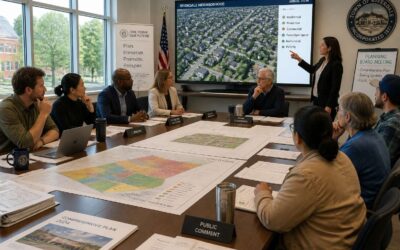
- Public sessions that listen to residents, traders, and learners alike
This blend of analysis, conversation, and resilient optimism makes this role a compelling job for town planner.
Career Pathways and Progression in Town Planning
In South Africa, urban futures hinge on planners who read maps and people alike—the job for town planner has grown roughly 12% faster than the national average in recent years. This surge reflects cities grappling with housing, transport, and resilience in equal measure.
The career blends field savvy with policy craft. A town planner moves between site checks and council briefs, translating needs into places that feel inevitable yet earned—a discipline shaped by listening, data, and stubborn optimism! For those seeking a job for town planner, the path is varied and meaningful.
- Junior town planner — build skills in data, codes, and community engagement.
- Professional town planner — manage small projects and policy briefs with colleagues.
- Senior town planner — lead complex developments and mentor junior staff.
- Planning manager or strategic lead — align long-range plans with city goals.
Along the journey, registration with bodies like the South African Council for Town and Regional Planners (SAPI) and lifelong learning unlock progression in the SA planning landscape.
Impact of Town Planning on Communities
South Africa’s cities are enduring laboratories of change, where a well-drawn plan can shift lives more than a new building ever could. A town planner reads maps and marshals voices, stitching opportunity with obligation. The field has surged roughly 12% faster than the national average, underscoring housing, transport, and climate resilience in equal measure.
- Better access to affordable housing through well-located developments
- Safer, more connected streets via thoughtful transport networks
- Stronger resilience against climate risks and economic shocks
Beyond the drafting table, the town planner shapes communities through data, consultation, and pragmatic policy. For those pursuing a job for town planner, the career path blends field savvy with policy craft: you’ll juggle site checks, community hearings, and council briefs, translating needs into places that feel inevitable yet earned. The journey rewards curiosity, persistence, and a readiness to negotiate with both plans and people.
Education, Certifications, and Qualifications
Formal Education Requirements for Town Planners
Education forms the backbone of the job for town planner, especially in South Africa where cities continually redraw their horizons. A solid academic grounding signals readiness to navigate zoning, housing, and transport matrices with care, clarity, and a conscience for community welfare.
Formal education requirements anchor the professional path and are often complemented by structured training. Candidates typically pursue:
- Bachelor’s degree in Town Planning, Urban Planning, Geography, or a related field from an accredited South African university
- Honours or Master’s degree to deepen policy analysis and project appraisal
- Professional registration with SACPLAN, the regulator for planners in South Africa
Beyond credentials, the qualifications that sustain a career in this realm include clear communication, stakeholder engagement, ethical judgment, and the ability to translate data into accessible planning narratives for diverse communities. In South Africa, this is the job for town planner in practice.
Professional Certifications and Licenses for Planners
Education forms the backbone of the job for town planner in South Africa, where urban challenges demand both rigor and nuance. “Cities grow from careful plans, not lucky guesses,” a seasoned planner reminds us. A Bachelor’s degree in Town Planning or a related field opens the door to zoning, housing, and transport analysis, while an Honours or Master’s adds depth in policy appraisal and project feasibility.
Professional certifications and licenses demonstrate ongoing mastery. Candidates typically pursue:
- SACPLAN registration as a professional planner
- Continued professional development (CPD) and re-registration as required
- GIS or cartography certificates to harness spatial data
- Project management certification (e.g., PMP) for multi-stakeholder projects
Qualifications—beyond credentials—include clear communication, stakeholder engagement, and ethical judgment. The best planners translate complex data into accessible narratives for diverse communities, ensuring plans survive public scrutiny and drive tangible improvements.
Relevant Continued Learning and Specializations
In South Africa’s evolving towns, education is the compass for credible town planning—steering growth away from guesswork. A bachelor’s degree in Town Planning opens doors to zoning and transport analysis, while an Honours or Master’s sharpens policy appraisal and feasibility questions. The result is a disciplined lens on people and places. The job for town planner becomes a civic vow, not a mere paycheck.
Beyond the degree, credentials signal real chops. SACPLAN registration, CPD, GIS or cartography certificates, and project management credentials (PMP or equivalents) equip planners to turn data into results. Consider these targeted studies:
- GIS and cartography
- Project management and stakeholder coordination
- Spatial data analysis and policy appraisal
Qualifications go deeper: clear communication, stakeholder engagement, and ethical judgment are essential in South Africa. Public trust grows when complex data is translated into accessible stories and voices from diverse communities shape plans. Continued learning and specializations—climate resilience, transport-oriented development, and environmental planning—keep the practice vibrant.
Internships, Residencies, and Early Experience in Planning
Cities are conversations, and education is the cue card. A solid undergraduate in Town Planning provides the baseline for zoning intuition and transport insight, but in South Africa it’s the blend of classroom rigor with field exposure that yields a planner who anticipates needs rather than reacts to headlines. This is where the job for town planner becomes a civic vow, not merely a paycheck.
Credentials and continuing learning seal the deal. Beyond the degree, professional standing—registrations, ongoing development, and credentialed toolkits—show that theory has elbow room on real projects.
Qualifications matter: plain speech wins public trust; engaging with stakeholders builds legitimacy; ethical judgment anchors every recommendation, especially when unfamiliar voices shape the map of a town.
Internships, residencies, and early planning experiences are the apprenticeship that refines the craft.
- Internships in municipal planning offices
- Residencies with seasoned planners
- Early community projects translating data into citizen-friendly stories
Core Skills and Competencies for Town Planners
Urban Design and Land Use Knowledge
Cities in South Africa grow at the pace of the plan, and the plan rests in the hands of one professional. Core skills in urban design and land-use knowledge sharpen decisions that shape skylines and sidewalks. For many, this is the path to a job for town planner.
Beyond theory, the day-to-day demands a mix of craft and people savvy. Consider these competencies:
- Urban design principles for local character and climate resilience
- Land-use planning, zoning, and development controls
- GIS, data analytics, and mapping for policy practice
- Environmental and social impact assessment
- Stakeholder engagement and consensus-building in SA
With these tools, a town planner navigates complex approvals and public participation, keeping projects on track while protecting neighborhoods’ soul. This is not merely a career—it’s a job for town planner that can reshape communities, one well-designed block at a time. This field is indeed a genuine job for town planner.
Regulatory and Policy Analysis Skills
Policy is the quiet engine behind every thriving street. “Policy turns plans into places,” a reminder that regulatory clarity can render dream blocks into sidewalks. In South Africa, regulatory and policy analysis shapes approvals, funding, and public trust across IDPs and SPLUMA-aligned processes.
Core skills include interpreting legislation, forecasting policy impacts, and navigating interagency processes with tact and precision.
- Regulatory interpretation and risk assessment
- Policy alignment with IDPs, SPLUMA, and development controls
- Impact analysis and robust representations to public participation forums
These competencies let a town planner translate complex rules into practical, safe, and responsive designs. This is a true job for town planner—turning policy into pavement and possibility.
Public Consultation and Stakeholder Engagement
Public participation is not a checkbox; it’s the city speaking! In South Africa, decisions about streets and spaces hinge on those conversations. A strong public process reframes complaints into shared options and builds legitimacy for the plan.
Core skills center on listening, clear communication, and facilitation. A town planner translates diverse feedback into design ideas, mediates tensions at meetings, and keeps public participation forums constructive and inclusive.
- Stakeholder mapping and engagement planning for inclusive outreach
- Facilitated public meetings with neutral moderation and accessible language
- Transparent reporting and timely feedback to participants
Ultimately, the job for town planner rests on turning voices into pavement and policy into place. This blend of people skills and technical judgment defines the profession.
Data Analysis, GIS, and Mapping Tools
Cities are sculpted by data as much as bold ambition—roughly 70% of street and space decisions in South Africa hinge on analytics. Core skills for the job for town planner fuse data analysis with practical judgment, plus crisp communication and facilitation. You translate scattered numbers into design ideas and keep the process honest with clear mapping and shared language. This is the pulse of the role.
- Data Analysis: distilling datasets into actionable design options
- GIS: layering zoning, transport, and utilities for site insight
- Mapping Tools: producing clear, accessible maps for decisions
These digital muscles power practical work—from policy briefs to public dashboards.
Together, these skills turn digits into streets and maps into conversations guiding decisions in South Africa.
Communication and Collaboration Across Agencies
In South Africa’s fast-evolving towns, decisions hinge more on conversation than code. Studies hint that half of major urban projects stall without cross-agency clarity. Core skills for town planners center on communication and collaboration across agencies—bridging municipal, provincial, and community voices into one shared plan.
As a professional aiming for a job for town planner, these competencies translate policy into practice: aligning councils, regulators, developers, and residents with a common language and timeline, keeping conversations honest and decisions transparent.
- Clear, concise cross-agency communication
- Facilitation and negotiation across departments
- Public engagement and transparent reporting
In South Africa’s regulatory maze, this ability isn’t optional—it’s the map that keeps projects moving.
Project Management and Collaboration
Cities sprint toward 2030 with one hard truth: policy without practice stalls. In South Africa, nearly half of major urban projects stall when lines of authority blur. For those seeking the job for town planner, the office becomes a bridge—turning dense policy into deliverable programs and one shared timetable that unites councils, regulators, developers, and residents.
Core skills in this space center on project management and collaboration. To keep the gears turning, a town planner wields a practical toolkit:
- Strategic scoping and milestone governance
- Resource coordination, budgeting, and risk assessment
- Interdepartmental alignment and clear decision records
These competencies translate policy into everyday practice, ensuring dialogue stays honest and decisions transparent as projects move through South Africa’s regulatory maze.
Job Market, Opportunities, and Roles in Town Planning
Public Sector, Private Sector, and Nonprofit Opportunities
Cities are living systems, and every zoning choice writes a heartbeat into the street. In South Africa, demand for thoughtful town planners is rising as towns grow and infrastructure strains deepen, making a job for town planner both urgent and rewarding.
Public sector opportunities anchor stability: municipal planning departments shape housing, transport corridors, and environmental safeguards, with clear career ladders and a commitment to service. Opportunities abound in regional planning offices, metropolitan councils, and provincial departments!
Private firms prize planners who translate policy into design—master planning, environmental impact assessments, GIS-informed development, and rigorous project coordination.
- Development feasibility analyst
- Senior urban designer
- Master planning consultant
Nonprofits expand access and resilience, offering roles in community outreach, housing policy research, and grant-backed development. These positions demand empathy, data literacy, and the willingness to engage with residents in hard conversations.
Geographic Variations in Demand and Salaries
In South Africa, towns are expanding at a pace that outstrips old road maps—growth at roughly 3.5% a year, and infrastructure strain follows. This creates real demand for thoughtful town planners who can choreograph housing, mobility, and greenspace into resilient futures.
The job market is evolving as municipalities, provincial bodies, and private consultancies seek planners who can translate policy into practical design, assess environmental and social impacts, and speak clearly with communities. For many, a job for town planner is a calling that blends policy, people, and place.
- Gauteng’s dense urban corridors
- Western Cape coastal growth towns
- KwaZulu-Natal regional hubs
Salary ranges vary by scale and seniority, with metro offices offering higher compensation and larger projects shaping opportunity. This map of opportunity stretches from city halls to coastal redevelopment.
Tips for Navigating the Job Market in Planning
South Africa’s job market for town planners is heating up as municipalities and consultancies recruit with purpose—urban growth runs at roughly 3.5% a year, reshaping skylines and streets. The job for town planner spans policy, people, and place, drawn to projects that knit housing, mobility, and greenspace into resilient futures. Gauteng’s corridors, Western Cape coast towns, and KwaZulu-Natal hubs remain especially active.
- Policy-to-design translation grounded in on-the-ground realities
- Transparent community engagement that builds trust
Opportunities are widening across public and private sectors, from municipal planning offices to provincial agencies and consultancies. Roles emphasize translating policy into design, guiding community-facing processes, and delivering projects that balance growth with climate and social needs.
Roles vary by scale, but success hinges on clear communication, pragmatic analysis, and the ability to shepherd ideas through complex approvals while maintaining public confidence.
Emerging Areas in Town Planning like Sustainability and Resilience
A 3.5% annual urban growth reshapes skylines across South Africa, turning planning into a lighthouse for cities on the rise. The job for town planner is hot in municipal and private sectors, as corridors from Gauteng to the Western Cape demand visionary yet practical minds. Municipal planning offices, provincial agencies, and consultancies now seek planners who can translate policy into design, guide community processes, and deliver projects that balance growth with climate and social needs.
- Sustainable mobility and climate-resilient urban infrastructure
- Inclusive housing design for diverse communities
- Green infrastructure, sustainability, and greenspace networks
- Data-driven zoning and streamlined, climate-conscious approvals
- Transparent public engagement and governance for resilient cities
Emerging roles center on translating policy into place, guiding community-facing processes, and shepherding ideas through complex approvals while maintaining public confidence. The job for town planner thrives where imagination meets pragmatism, in public, private, and nonprofit sectors across South Africa.
Networking, Portfolio, and Application Best Practices
South Africa’s urban surge demands more than maps; it demands a vocation. Urban growth in our metros runs about 3.5% annually, making the job for town planner a civic imperative as much as a career. This work translates policy into place, turning visions into streets and spaces that communities inhabit with dignity.
Networking and a portfolio are the currency that opens doors in this field. In South Africa’s layered governance, relationships with councils, developers, and communities matter as much as maps.
- Municipal and provincial planning forums
- Professional associations and alumni networks
- Urban design studios and consultancy peers
- Public-interest groups and think tanks
A well-told project narrative can tilt a selection committee toward belief; I’ve seen it in practice.
Freelance and Consulting Paths in Town Planning
The job for town planner sits at the crossroads of policy and place, where South Africa’s cities pulse with roughly 3.5% annual growth and demand for capable hands grows louder than the street markets at dusk. It is a vocation that translates visions into streets, spaces, and neighborhoods with dignity. The right candidate threads legislative nuance with practical feasibility, turning abstract aims into navigable futures.
In the realm of opportunities, freelance and consulting paths widen the field beyond fixed roles. Municipalities, developers, and NGOs seek seasoned independent planners to tackle rezoning, master planning, and public participation with an efficient, human touch.
- Freelance planning consultancy for municipalities and developers
- Urban design studios and public-interest think tanks
- Regulatory and feasibility advisory for public-private partnerships
- Remote GIS-driven analysis and impact assessment
Roles in town planning freelancing span project shepherd, policy translator, stakeholder facilitator, and resilience strategist. Each engagement blends coordination, data interpretation, and narrative persuasion to align budgets, bylaws, and community expectations across public, private, and nonprofit sectors.



0 Comments